◇ Blog
Drone certification guides
Long-form guides on flying drones legally in Latvia and the EU — registration, the A1/A3 exam, regulations, and practical tips. Updated as the rules evolve.
2026-07-10
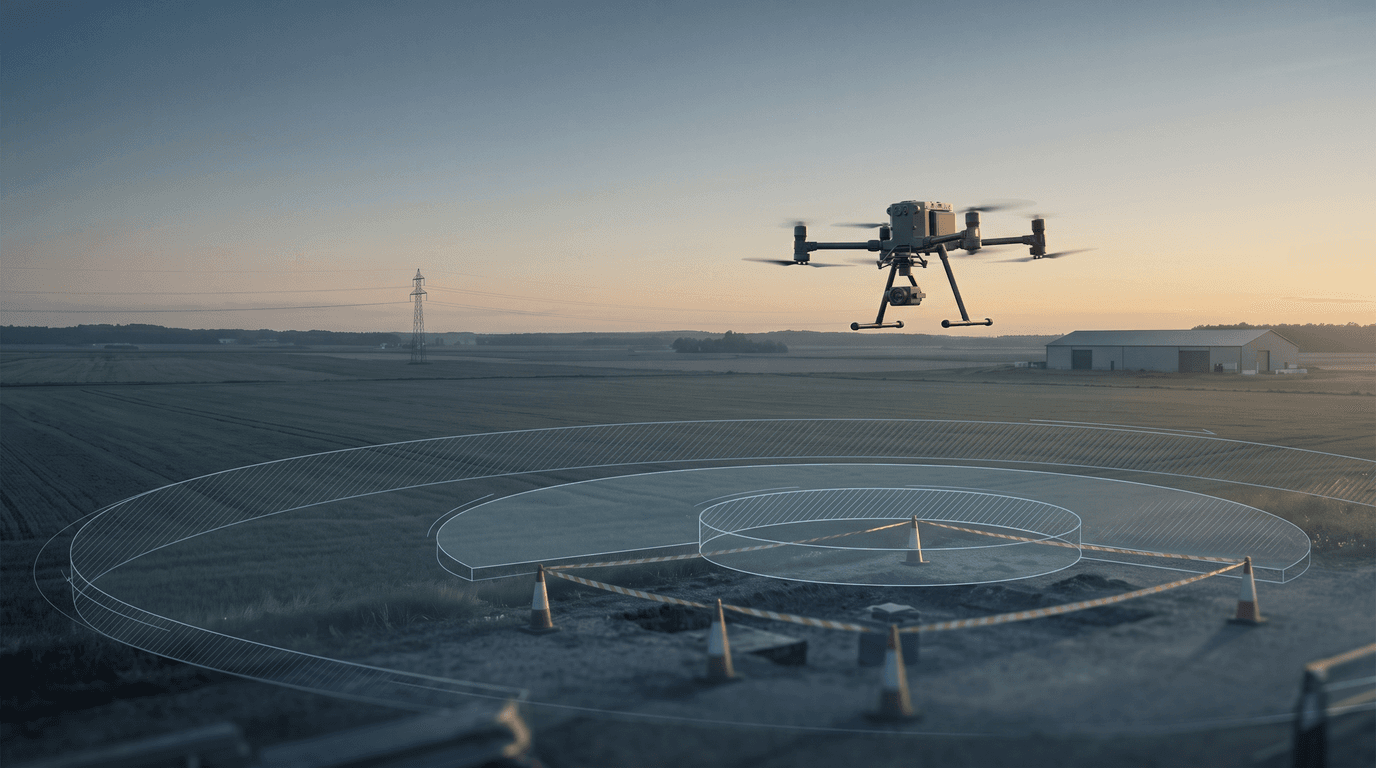
What are STS, PDRA and SORA? The Specific category, explained
When a flight no longer fits the Open category — BVLOS, above 120 m, over 25 kg — it lands in the Specific category. Three routes in: an STS declaration, a PDRA, or a full SORA risk assessment. Here is how they differ and how it works in Latvia.
- specific-category
- sts
- sora
2026-07-10
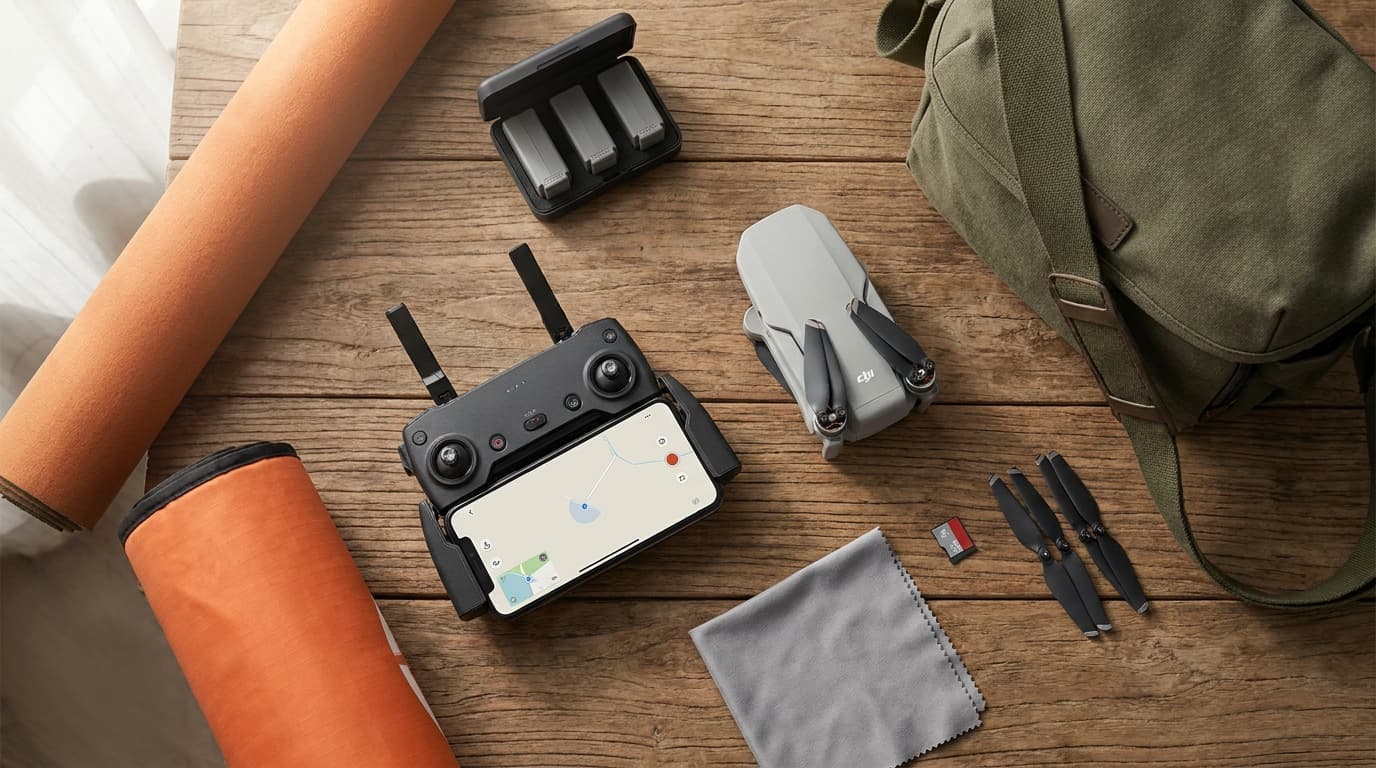
What to bring to a drone flight: the kit and bag that don't end the session
Most aborted flights are lost at the car, not in the air — a dead spare battery, a forgotten cable, papers left at home. Here is a practical kit and bag to pack once and reuse every time, legal minimum for Latvia included.
- getting-started
- safety
- latvia
2026-07-10
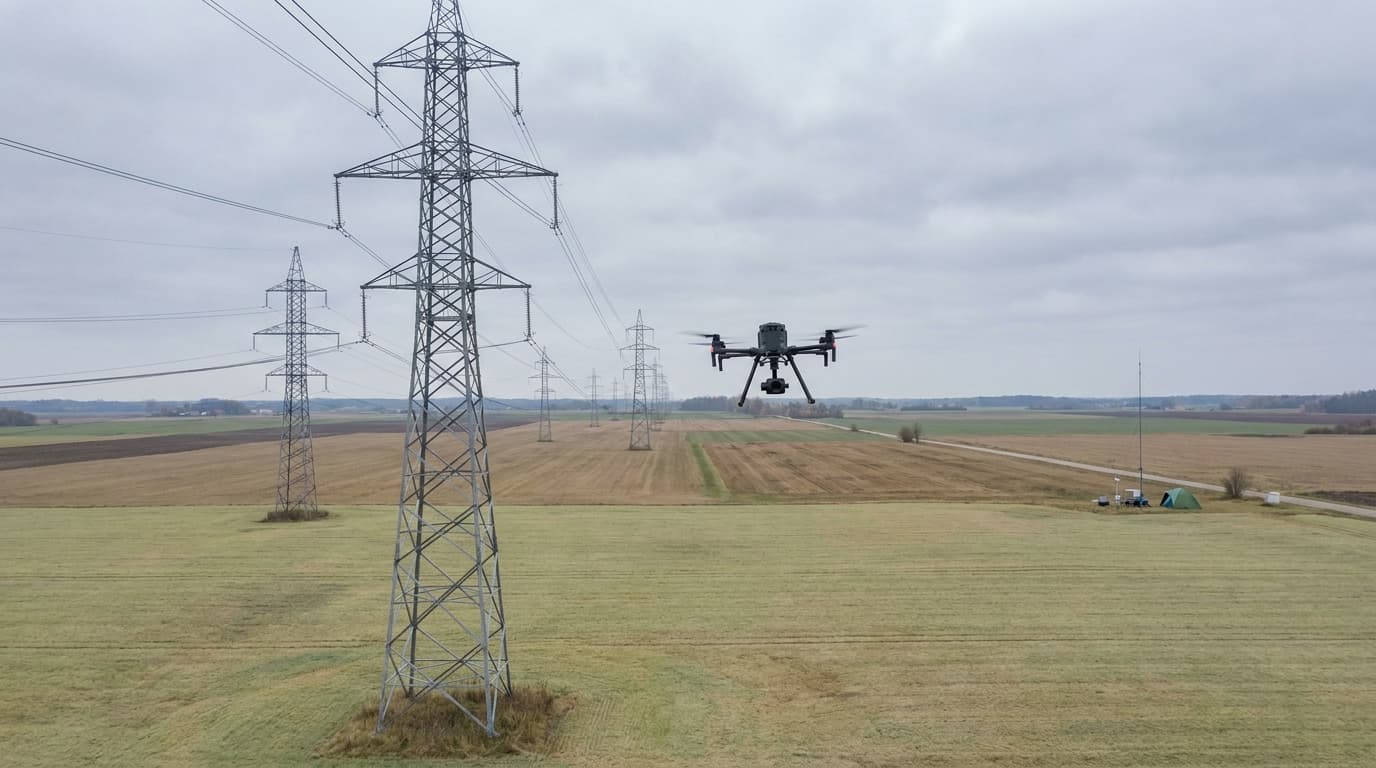
When do you need the Specific category for a drone — and when Open is enough
The Specific category is not the next licence tier — it starts the moment your plan crosses any single Open-category boundary: above 120 m, BVLOS, over 25 kg, dropping material or spraying. Here is the full trigger list and the three routes in.
- specific-category
- regulation
- sts

2026-07-09
How long is the A1/A3 certificate valid, and does it work across the EU?
After you pass, the A1/A3 proof is valid for 5 years and recognised across the European Union. Airspace zones, insurance, and local procedures still need a country-by-country check.
- exam
- a1-a3
- certificate
2026-07-09
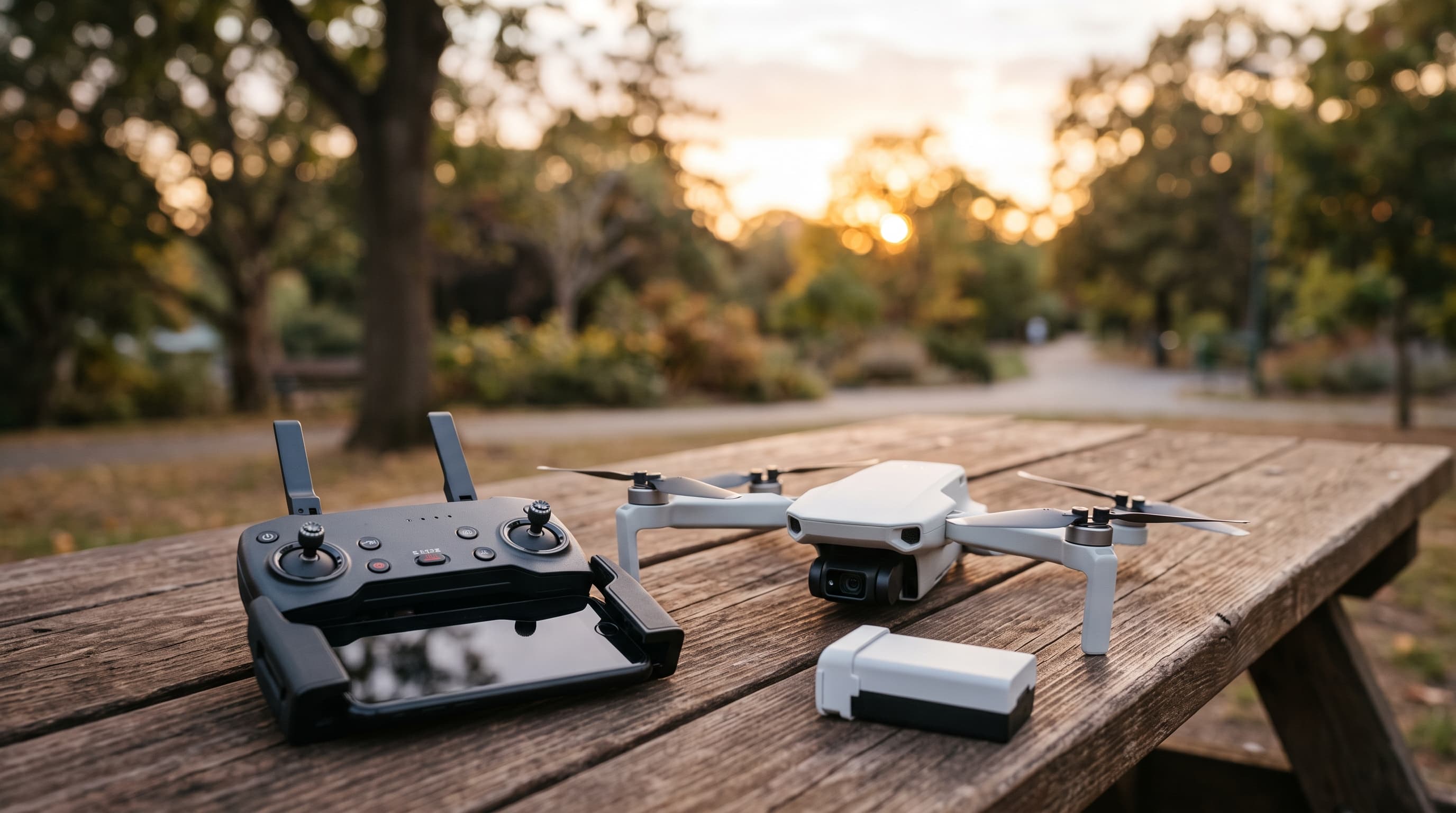
Do I need a licence for a DJI Lito X1 in Latvia? Same drone, two different legal classes
The DJI Lito X1 ships in two legal classes depending on the battery and accessories in the box — C0 (no exam) in the base and Fly More Combo, C1 (exam mandatory) in the Fly More Combo Plus. Here's how to tell which one you're buying.
- licence
- latvia
- sub-250g

2026-07-09
EASA A1/A3 drone exam in Estonia: LOIS portal, fee and preparation
How Estonia handles the A1/A3 drone certificate through Transpordiamet and LOIS, what the official page says about the exam, and how to prepare before applying.
- a1-a3
- estonia
- eu

2026-07-09
EASA A1/A3 drone exam in Lithuania: official portal, registration and prep
Where to take the official A1/A3 drone exam in Lithuania, which authority runs the portal, and how dronelingo preparation still applies when the certificate is issued outside Latvia.
- a1-a3
- lithuania
- eu

2026-07-09
EASA A1/A3 drone exam in Poland: ULC portal, free training and prep
Poland's official A1/A3 drone exam route through the Civil Aviation Authority system, what the ULC says about price and format, and how to prepare before taking it.
- a1-a3
- poland
- eu
2026-07-08
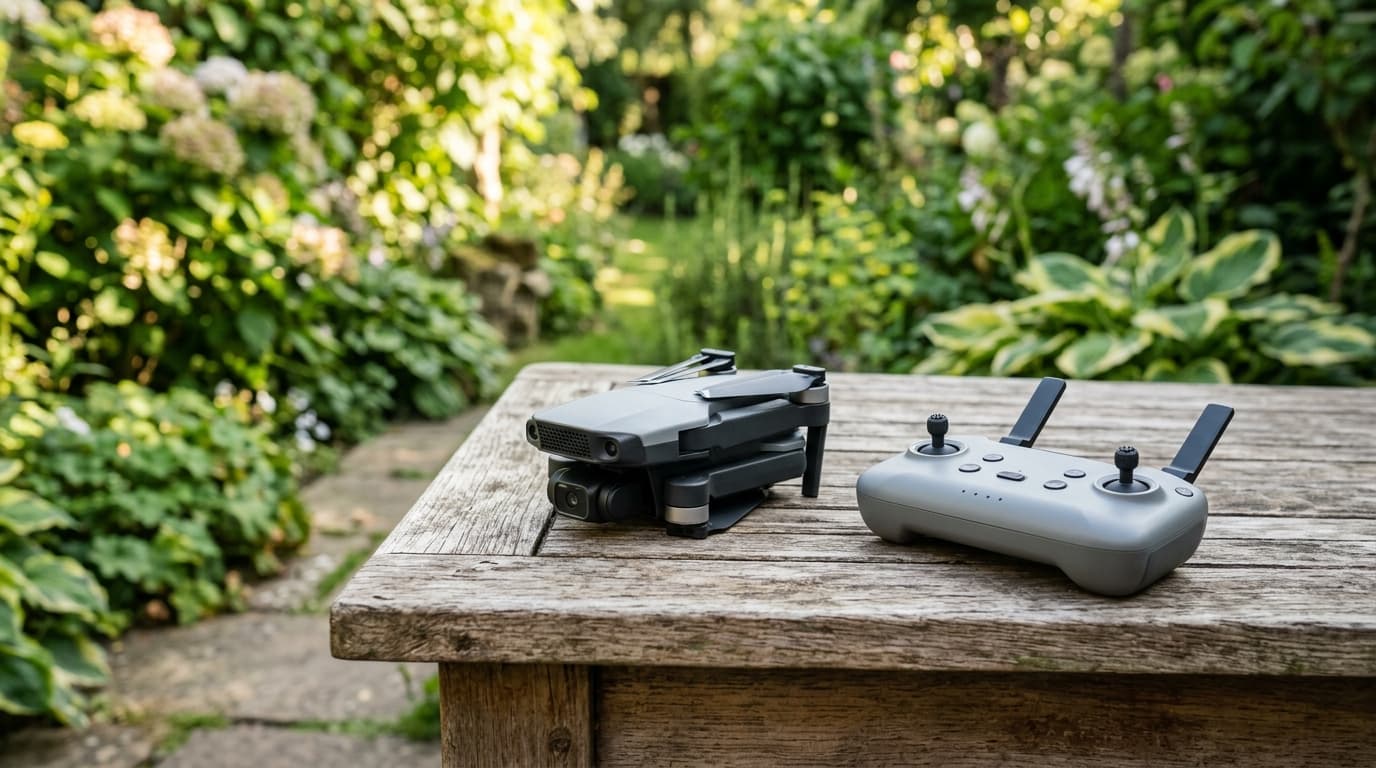
Do I need a licence for a DJI Mini in Latvia? No exam under 250 g — but yes to registration
A DJI Mini weighs under 250 g, so you don't need the pilot exam to fly it in A1. But its camera means operator registration is mandatory. Here's exactly what to do.
- licence
- latvia
- sub-250g
2026-07-08
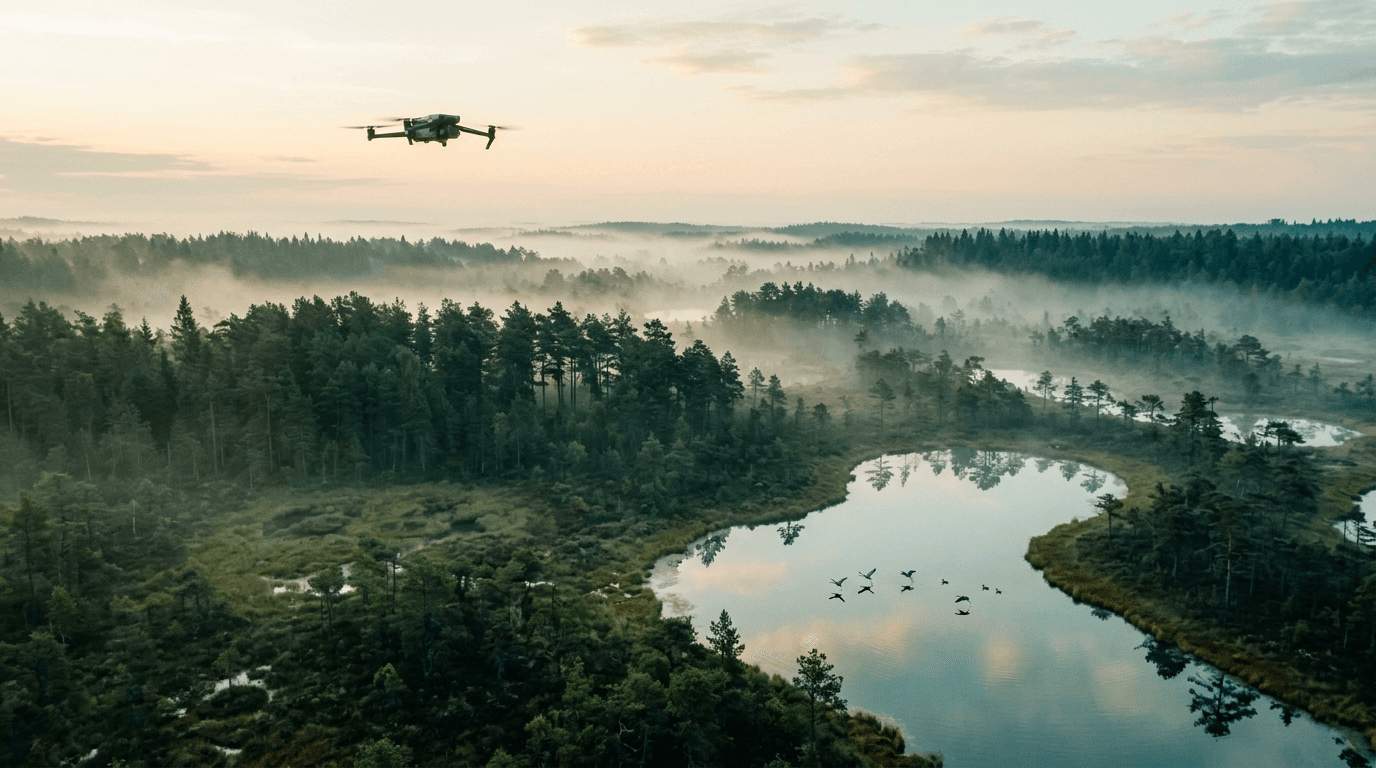
Drones in Latvia's protected nature areas — the extra rule layer
The airspace map does not show the whole nature-protection permission layer. A practical reading of the extra rules enforced by the Nature Conservation Agency: height floors in Gauja and Ķemeri, a seasonal window at Pape, and when you need a permit.
- latvia
- airspace
- rules
2026-07-07
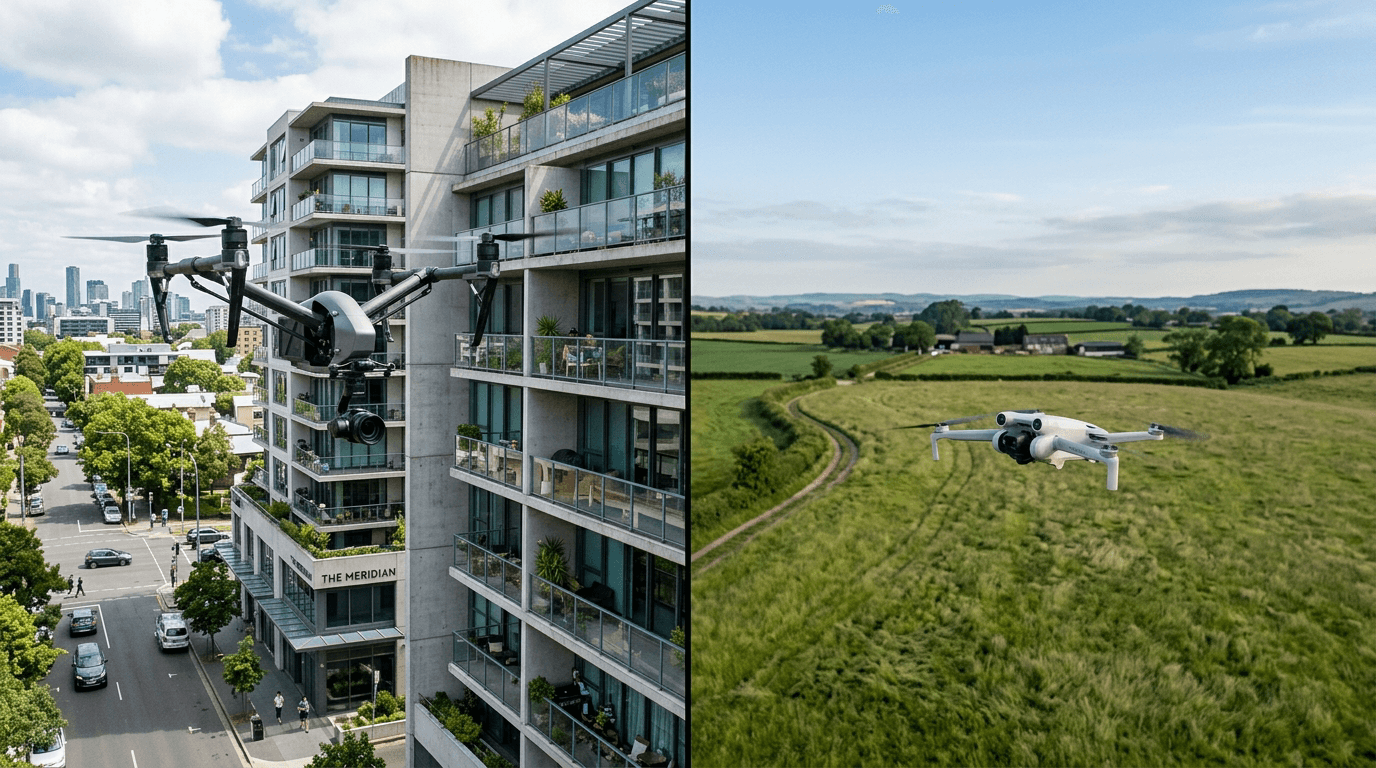
A1/A3 or A2: which drone certificate do you need in Latvia?
The certificate you need is decided by your drone's class mark and how close to people or built-up areas you fly — not by ambition. Here's how to choose between the free A1/A3 and the in-person A2.
- licence
- a2
- open-category
2026-07-07
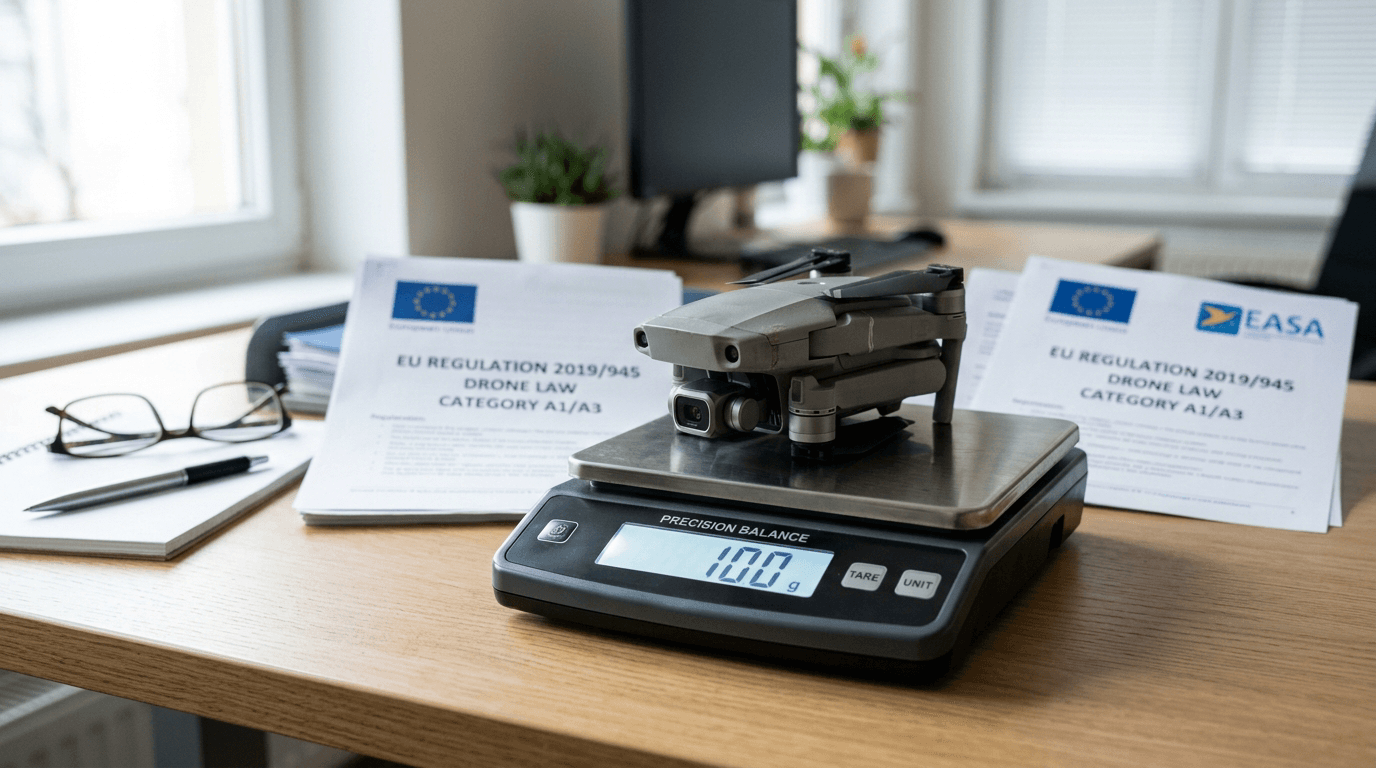
EASA NPA 2026-103: the 100-gram drone rule is now on paper
EASA's draft NPA 2026-103 moves the training and Remote ID line from 250 to 100 grams and adds a takeoff lockout without an operator ID. The Specific category, meanwhile, gets lighter. First changes no earlier than mid-2028.
- regulation
- easa
- eu

2026-07-07
How to become a drone pilot in Latvia: from box to first flight
The legal path in Latvia has a fixed order — operator registration, the free A1/A3 exam, the airspace rules — and beginners keep doing it backwards. Here is the whole route, and how to tell if you even need it.
- getting-started
- licence
- latvia

2026-07-07
How to prepare for the A1/A3 drone exam and pass first try
The A1/A3 exam is 40 questions in 40 minutes at 75% — not hard, but people fail by skimming the basics. A three-evening plan, the topics that actually cost points, and how to use practice.
- exam
- a1-a3
- latvia

2026-07-07
Where can I fly a drone in Latvia — how to get a reliable answer every time
A practical hub that connects the official map, zone types, BGKIS, and the Open-category limits in one place — so you can answer “can I fly here?” fast and correctly.
- no-fly-zones
- latvia
- airspace
2026-07-07
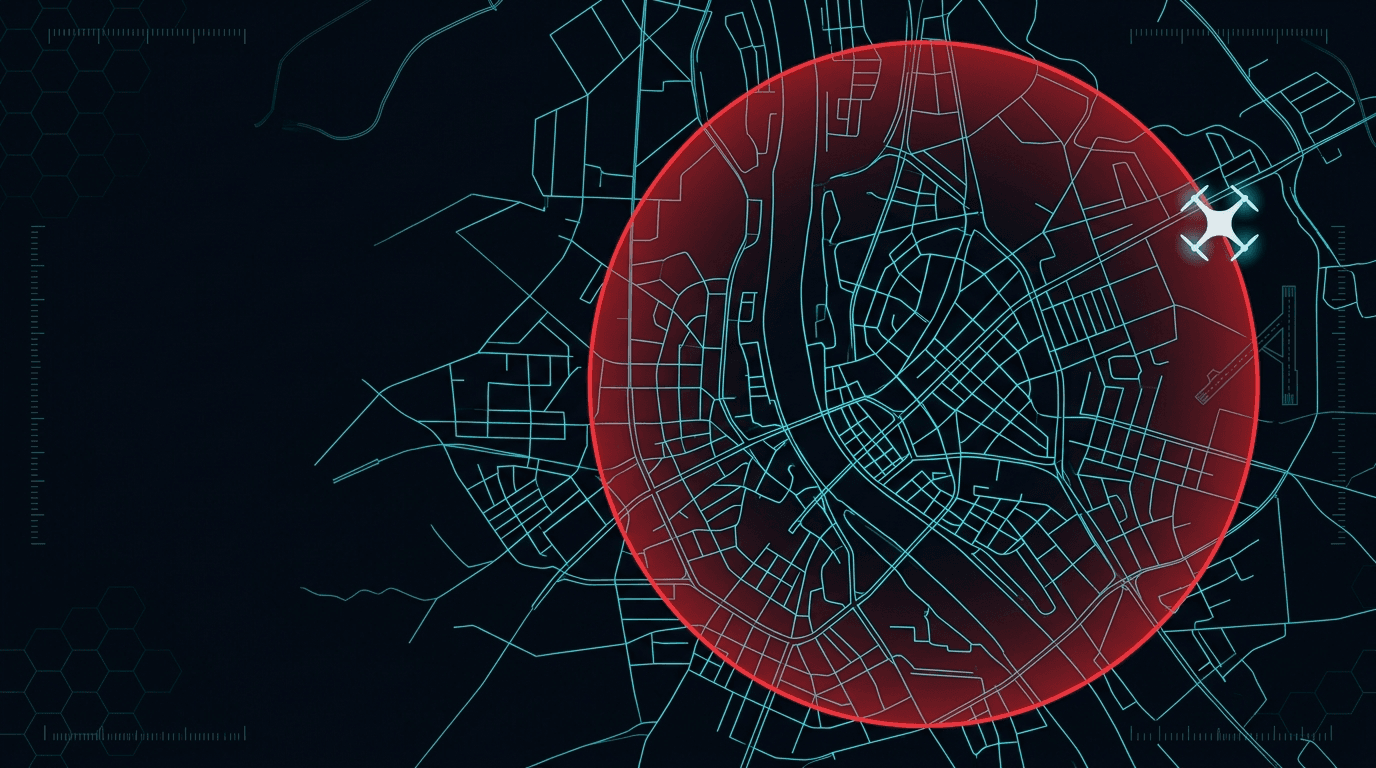
Where can I fly a drone in Riga — controlled airspace and city rules
In Riga, "can I fly here?" is the hardest question — the airport's controlled airspace and crowds. How to check it and where to find a legal spot.
- no-fly-zones
- latvia
- airspace
2026-07-06
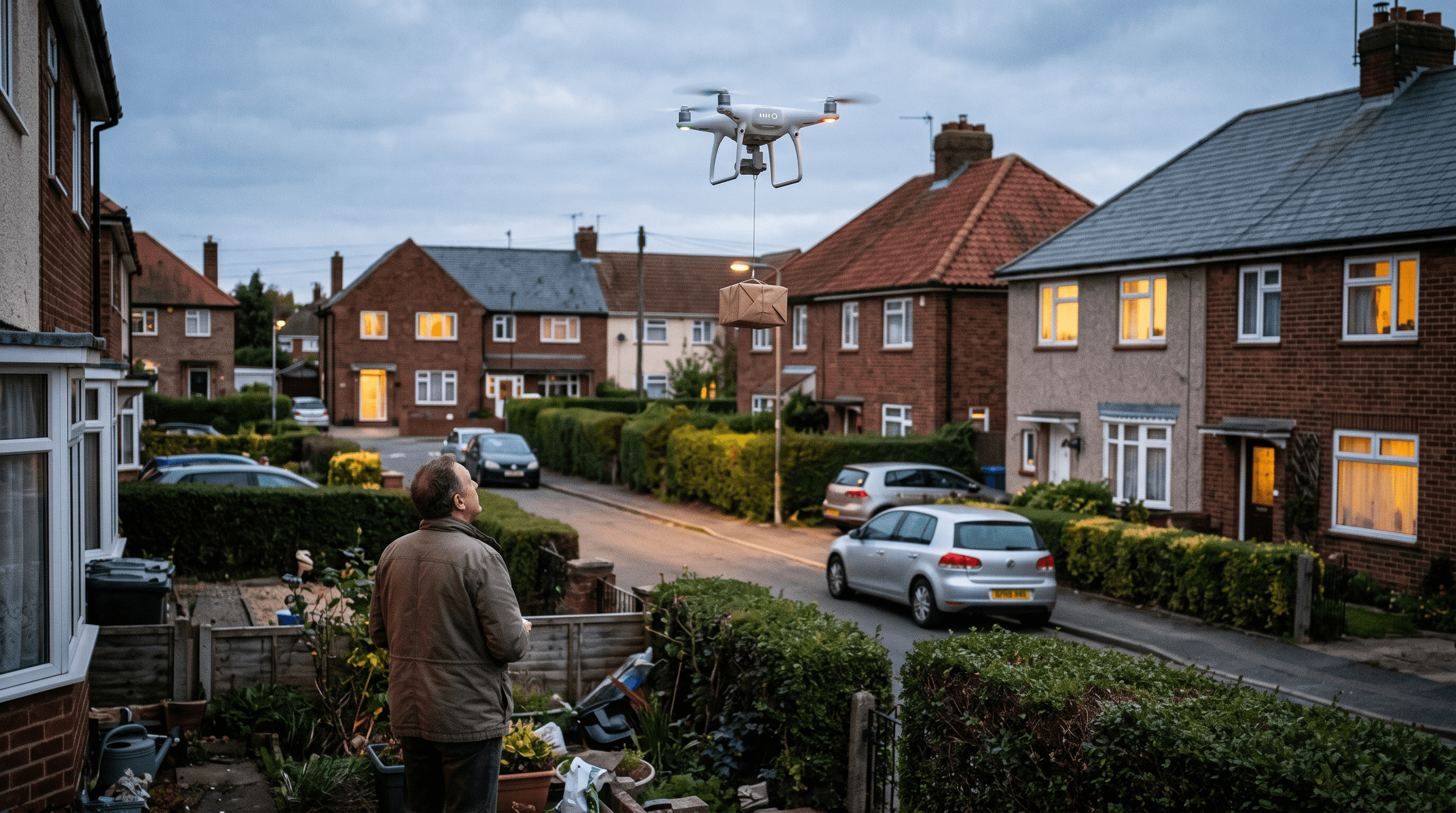
Drone Delivery's Noise Problem: Why Europe's Real Fight Is on the Ground
In June 2026 an Irish county council stripped Manna's Dublin drone hub of planning permission over noise — after 82,000 deliveries. Amazon had already walked away from Italy. Here is what the EU actually regulates about drone noise, and why the ground, not the sky, decides whether drone delivery scales.
- delivery
- commercial
- noise

2026-07-05
Drone weather briefing: how to read METAR and TAF and make the go/no-go call
Gusts decide the flight, not the average wind; at 100 m it blows harder than at the surface; the TAF tells you what happens in your window. A five-minute weather briefing with METAR/TAF, the 10 km Cb rule, icing, and a six-question go/no-go call.
- meteorology
- weather
- metar-taf
2026-07-05
Drones over Latgale: how to tell a lawful flight from a violation, and where to report one
From 4 to 12 July, planned military drone flights are running over the Latgale border area, and the Air Force is asking people not to worry. But how does an ordinary resident tell whether a drone overhead is allowed — and what do you do if it looks wrong? A short, practical guide: what makes a flight lawful, which signs are worth watching, and which number to call.
- latvia
- latgale
- airspace

2026-07-04
Pole-31: what a portable 2 km GNSS dead zone means for drone navigation
NPO Kilowatt has unveiled Pole-31, an EW system claimed to jam GPS, GLONASS, BeiDou and Galileo within at least 2 km. The specs are the maker's own — but the trend they mark is real: drones are learning to fly without satellites.
- electronic-warfare
- gps-denied
- navigation

2026-07-02
Drone battery safety: how to store, charge and fly Li-Po packs without wrecking them
The battery is the part of your drone that needs the most careful handling. Store it at ~50–60 %, not full and not flat; let it cool before charging; carry spares in the cabin only; retire swollen packs. And why all of it is on the A1/A3 exam.
- general-knowledge
- batteries
- li-po

2026-07-01
Assemblies of people: the one line the open category never lets you cross
Every open-category subcategory treats closeness to people differently — but none of them may fly over an assembly of people, not even a sub-250 g drone. And an "assembly" is not a headcount: it is a question of whether people can move away. Here is the precise definition and the trap it sets on the exam.
- regulations
- open-category
- assemblies-of-people

2026-07-01
Human performance: are you fit to fly the drone right now?
The one A1/A3 subject that is about you, not the drone — and it is a legal duty on every flight. What UAS.OPEN.060(2)(a) says, why the open category has no alcohol limit, the IMSAFE self-check, and perception traps like empty-field myopia.
- regulations
- open-category
- human-performance
2026-06-30
The 120-metre height limit for drones: what it's actually measured from
Everyone memorises the number 120 but gets wrong what it's measured from: the closest point of the surface below the drone, not your take-off point. Here is what UAS.OPEN.010 says, the one exception, and why a BGKIS approval buys no altitude.
- regulations
- open-category
- height-limit