◇ Blog
Drone certification guides
Long-form guides on flying drones legally in Latvia and the EU — registration, the A1/A3 exam, regulations, and practical tips. Updated as the rules evolve.
2026-06-29
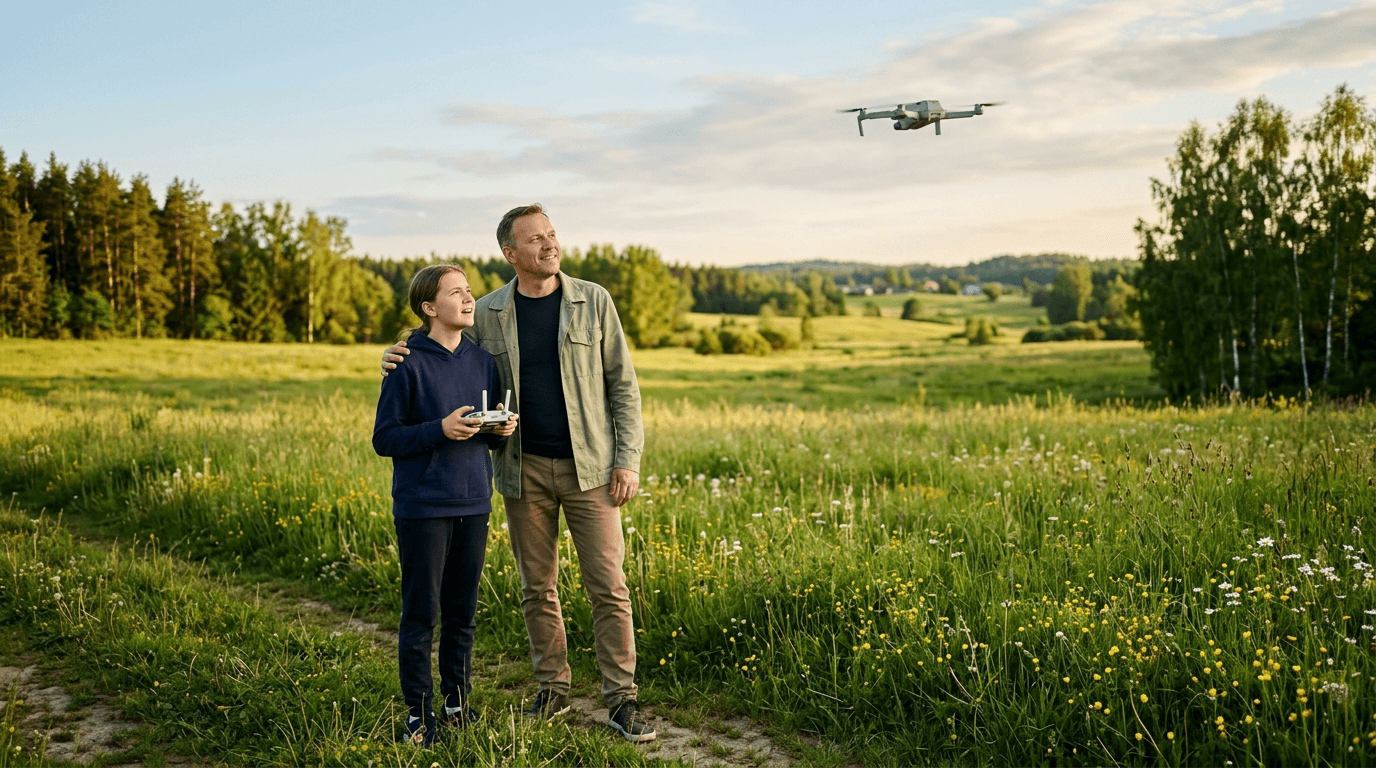
How old do you have to be to fly a drone? The minimum age in Latvia and the EU
In the open category the minimum age is 16 — but there are three exceptions where no age floor applies at all. And "under 250 g" is not a free pass: it removes the test, not the age. Here is exactly what Article 9 says and what Latvia chose.
- regulations
- open-category
- minimum-age
2026-06-28
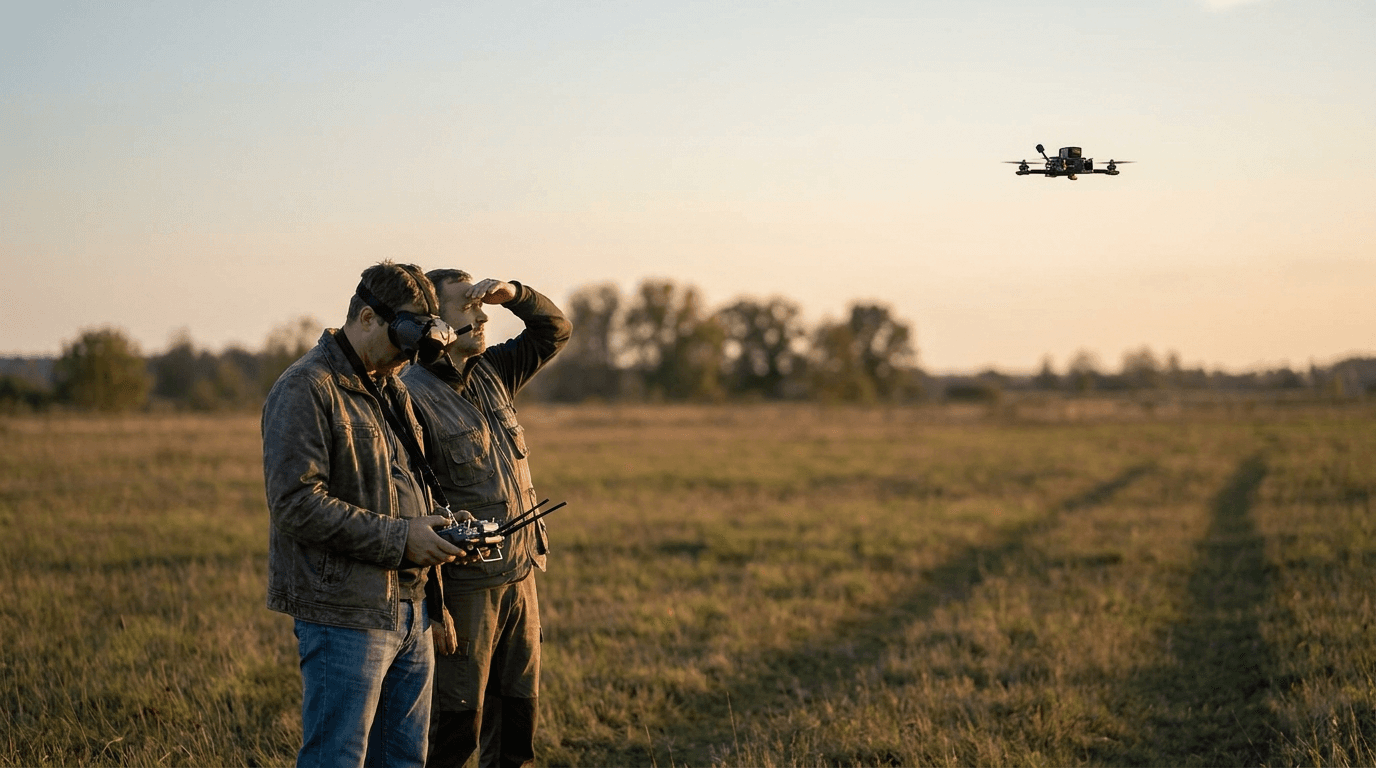
Visual line of sight and the FPV observer rule: what 'keep it in sight' actually means
VLOS means unaided contact with the drone — binoculars don't count. And FPV in the open category is only legal with an observer standing beside you. Here is the precise definition, the two exceptions, and why it shows up on the A1/A3 exam.
- regulations
- vlos
- fpv
2026-06-27
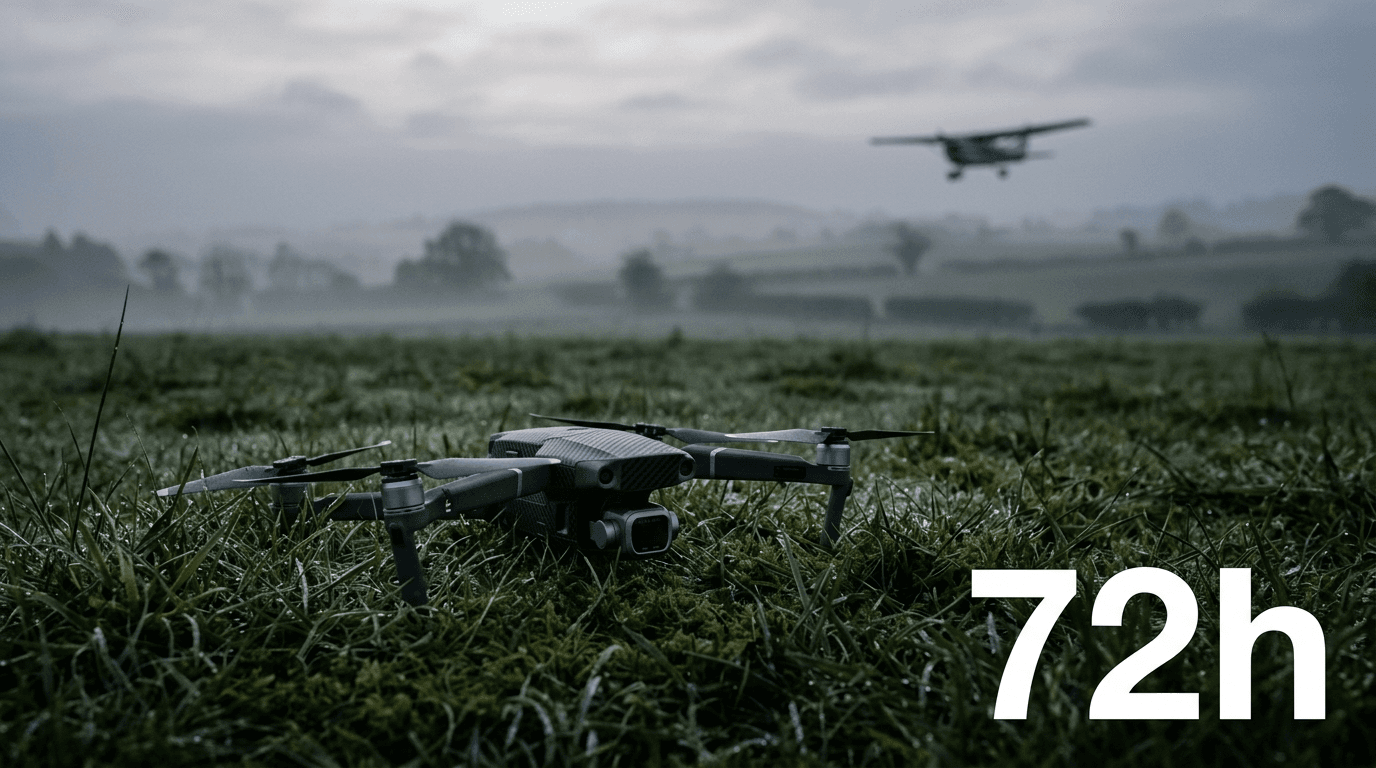
The 72-hour rule: when you are legally required to report a drone incident
Most pilots don't know they are legally required to file an incident report within 72 hours after a serious event. Article 57 of Regulation (EU) 2018/1139 sets out when reporting is mandatory, when it is voluntary, and why doing it won't get you in trouble.
- regulations
- incident-reporting
- safety
2026-06-25
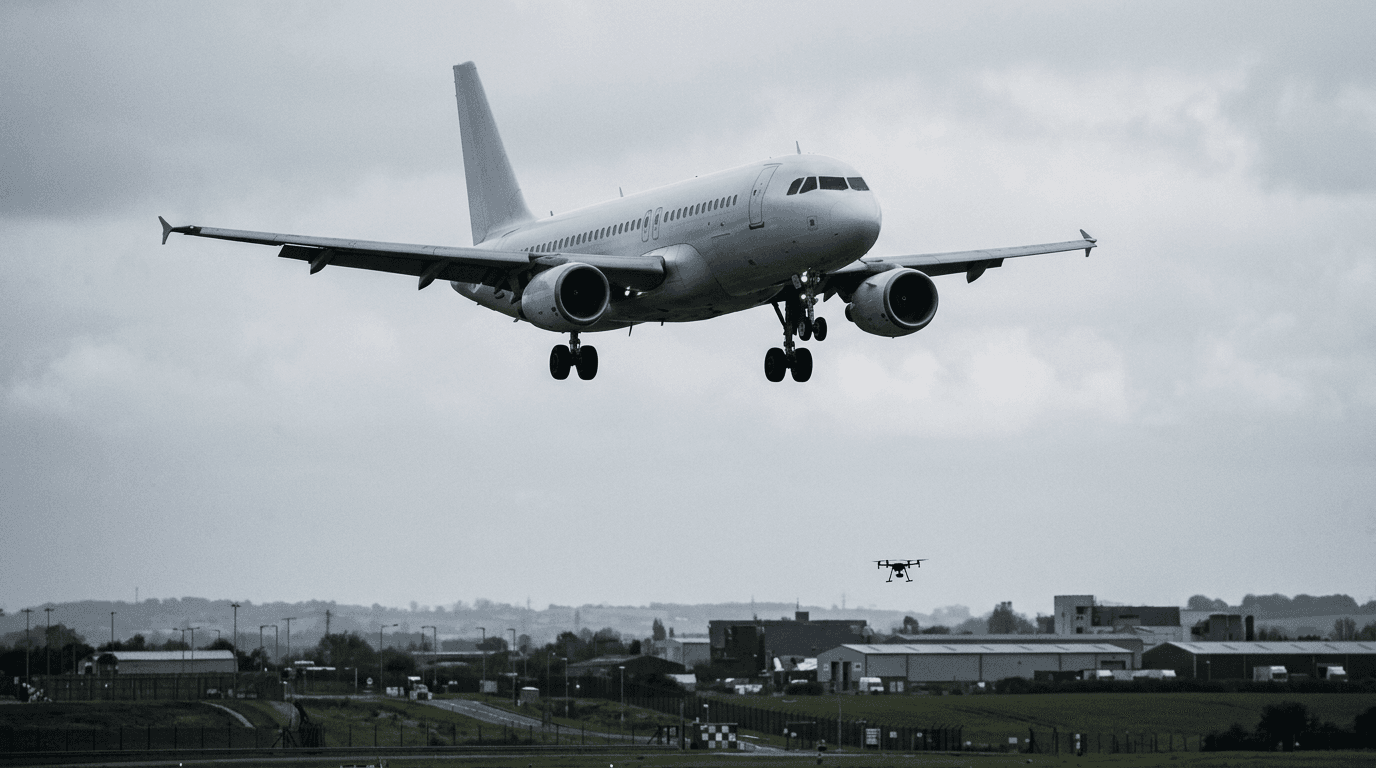
An airliner, a drone, and 3,000 feet: why the altitude limit is the line that matters
A United Boeing 737 pilot near San Diego reported a possible drone strike at 3,000 feet — seven times higher than any recreational drone may fly. The incident is a reason to revisit why the 120 m height limit and airport zones are hard limits, not suggestions.
- drone-safety
- airspace
- altitude-limit
2026-06-25
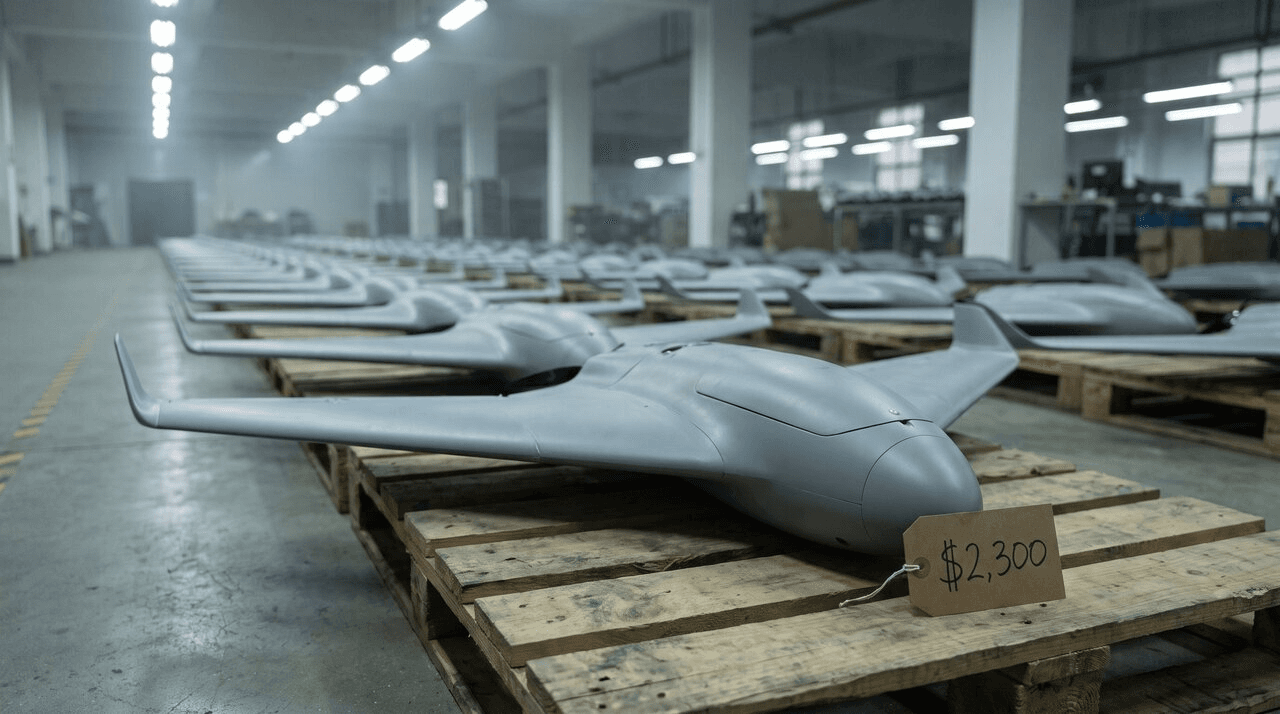
The $2,300 attack drone: when unit price becomes the weapon
The US 'Drone Dominance' plan aims to drive one-way attack drones from $5,000 to $2,300 a unit and buy roughly 340,000 of them. The real story isn't the airframe — it's what cheap mass does to the cost of stopping it.
- military
- drones
- economics
2026-06-25
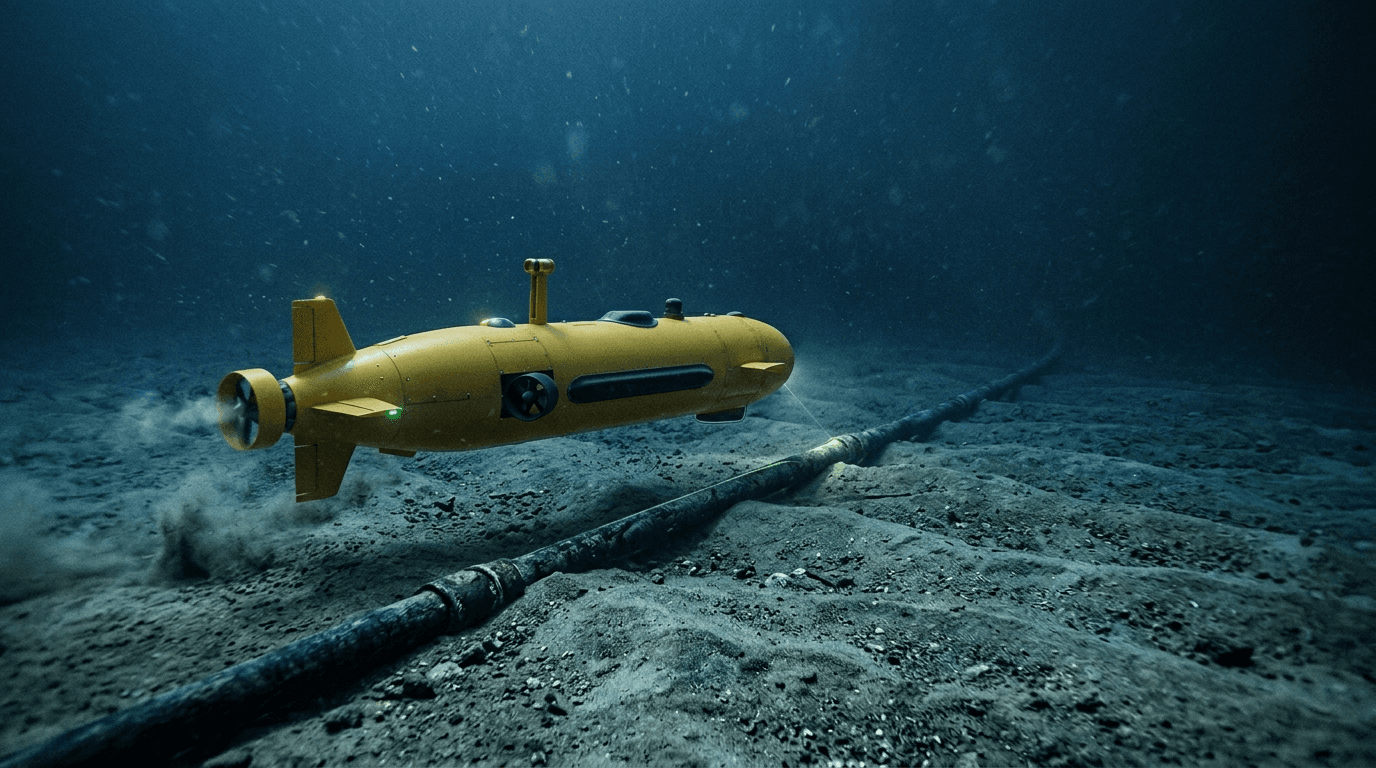
AUKUS goes underwater: drones leave the sky and the critical-infrastructure fight moves to the seabed
The UK, Australia and the US announced a joint underwater-drone programme, due by 2027, to protect undersea cables and pipelines. These aren't quadcopters — but it's the same autonomy logic, and for the Baltic Sea it lands directly.
- military
- underwater-drones
- aukus
2026-06-25
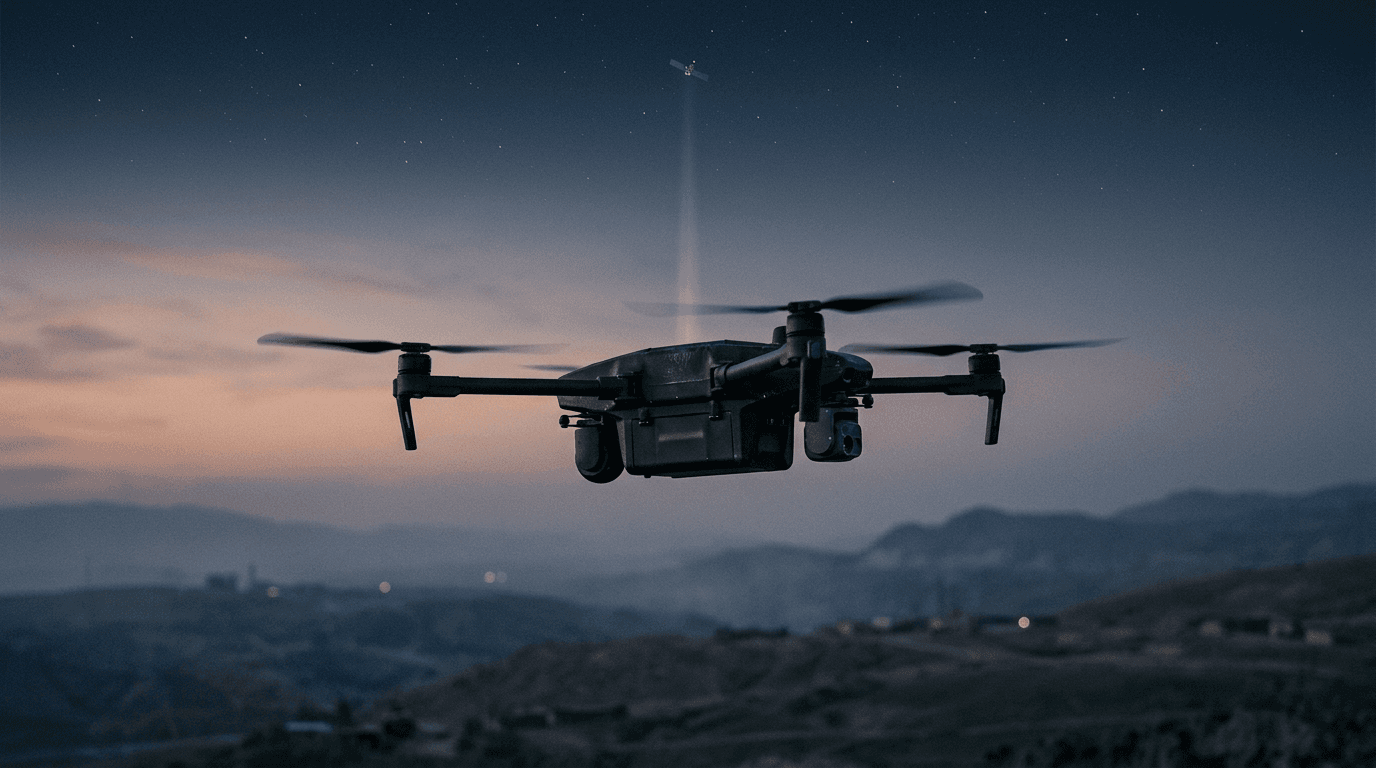
Beyond the radio horizon: what a satellite-controlled drone actually changes
Ukraine's Adis is not long-range — about a 20 km combat radius. The novelty is the control link: a satellite signal removes the radio horizon, so the operator can sit thousands of kilometres away. But "unlimited control range" comes with a bill — latency, bandwidth and dependence.
- military
- drones
- satellite-control

2026-06-25
A drone with no C-class label: which subcategory can you actually fly in?
The transitional period closed on 31 December 2023. Since then a drone with no manufacturer C-class label flies in just two ways — and mass is the only thing that decides. How to tell whether yours is A1 or A3-only.
- open-category
- c-classes
- regulations
2026-06-25
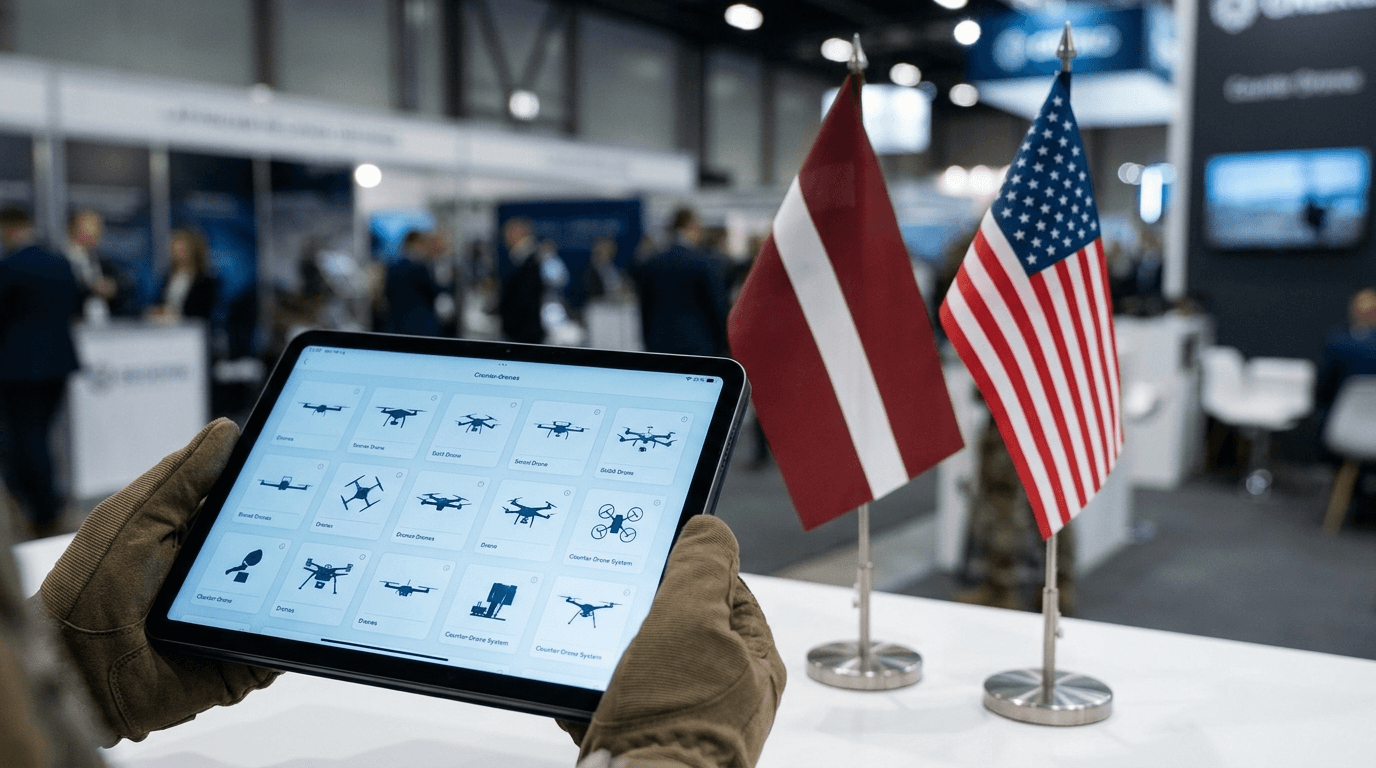
Latvia plugs into a US drone marketplace: what the Eurosatory letter of intent actually does
At Eurosatory 2026 Latvia and the US signed a letter of intent for a joint digital drone and counter-drone procurement platform. The story isn't a drone — it's procurement speed, and Latvia getting to be a supplier, not just a buyer, inside a US marketplace.
- latvia
- drones
- counter-drone
2026-06-25
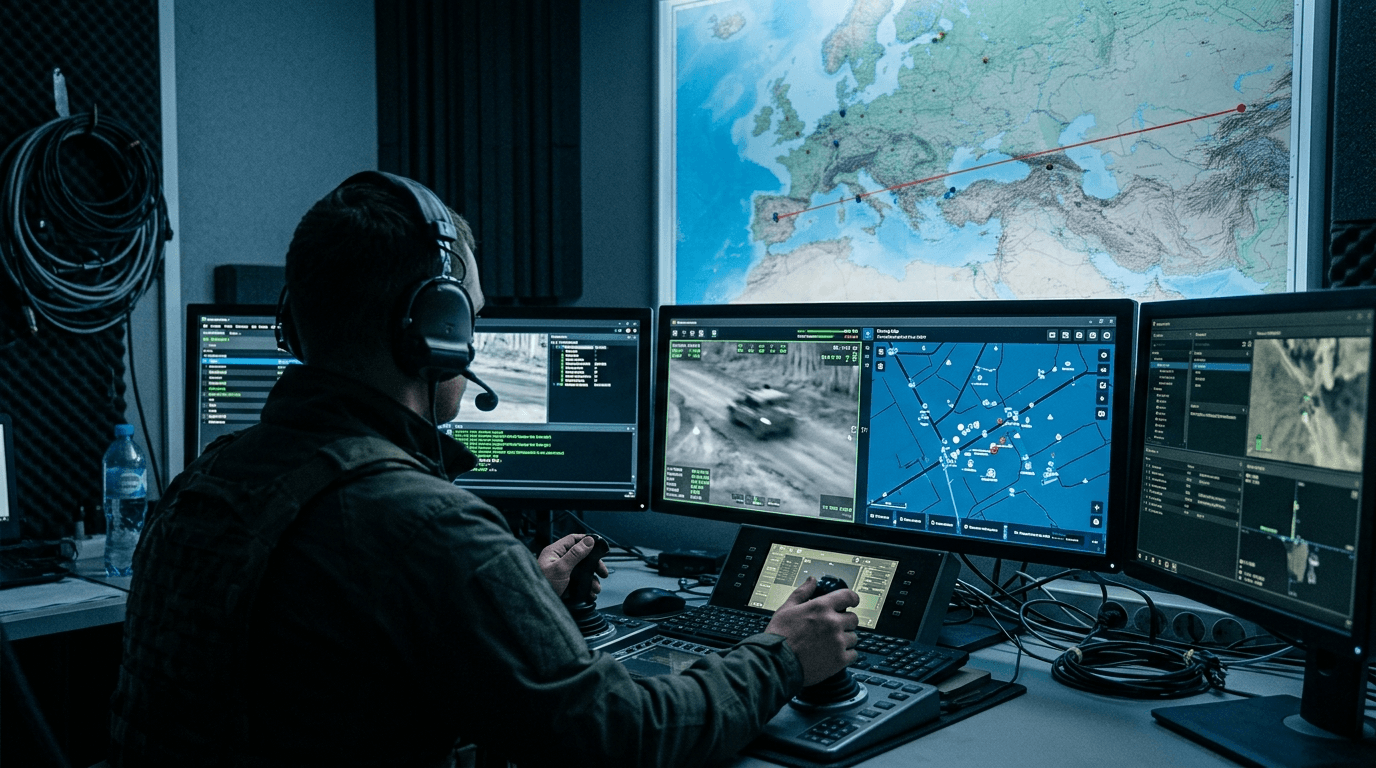
Remote control at 2,000 km: the latency problem behind the record
Ukraine has codified Hornet Vision Ctrl — the first NATO-standard remote drone-control system, shown at 2,000 km. But for an interceptor the number that matters isn't distance, it's latency. The real proof: two Shaheds downed remotely from 500 km.
- military
- drones
- counter-drone
2026-06-25
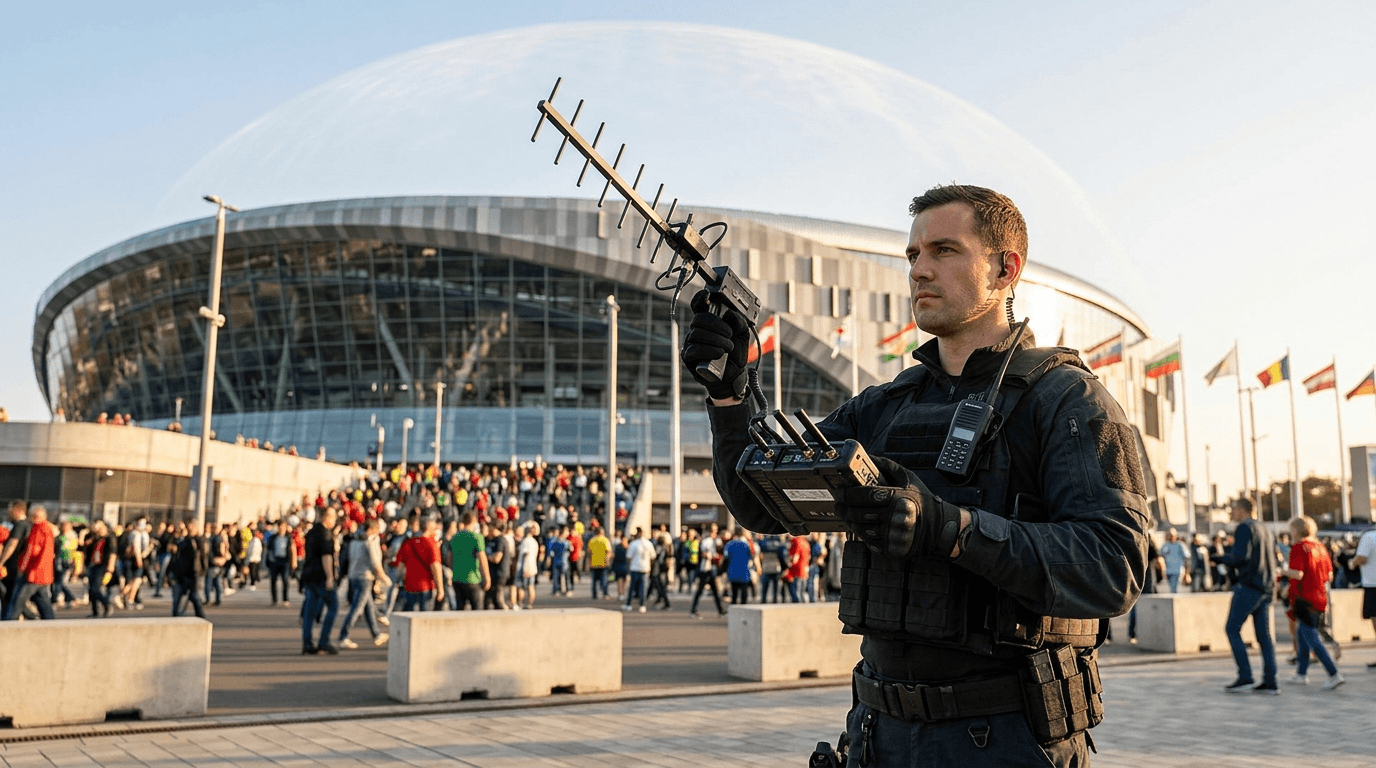
Fifty drones seized at the World Cup: what large-scale counter-drone actually looks like
US authorities seized around 50 drones near World Cup venues and logged 145 incursions into restricted airspace. It's a rare look at a counter-drone system in action — and a direct lesson for pilots: almost all those flights weren't attacks, just pilots who flew into a temporary restriction.
- counter-drone
- drone-safety
- airspace
2026-06-24
Filming with a drone in Latvia: when the GDPR actually applies
Privacy is one of the nine A1/A3 exam subjects and the one pilots skim. When drone footage becomes data processing, when the personal-use exemption holds, and what to do before you publish.
- privacy
- gdpr
- data-protection
2026-06-23
Flying your drone in another EU country: what your Latvian registration and A1/A3 carry across the border
Your Latvian operator number and A1/A3 are recognised across the whole EASA area. What that means in practice, what does NOT travel with you — geographical zones and insurance — and what to check before you fly abroad.
- open-category
- registration
- a1-a3
2026-06-22
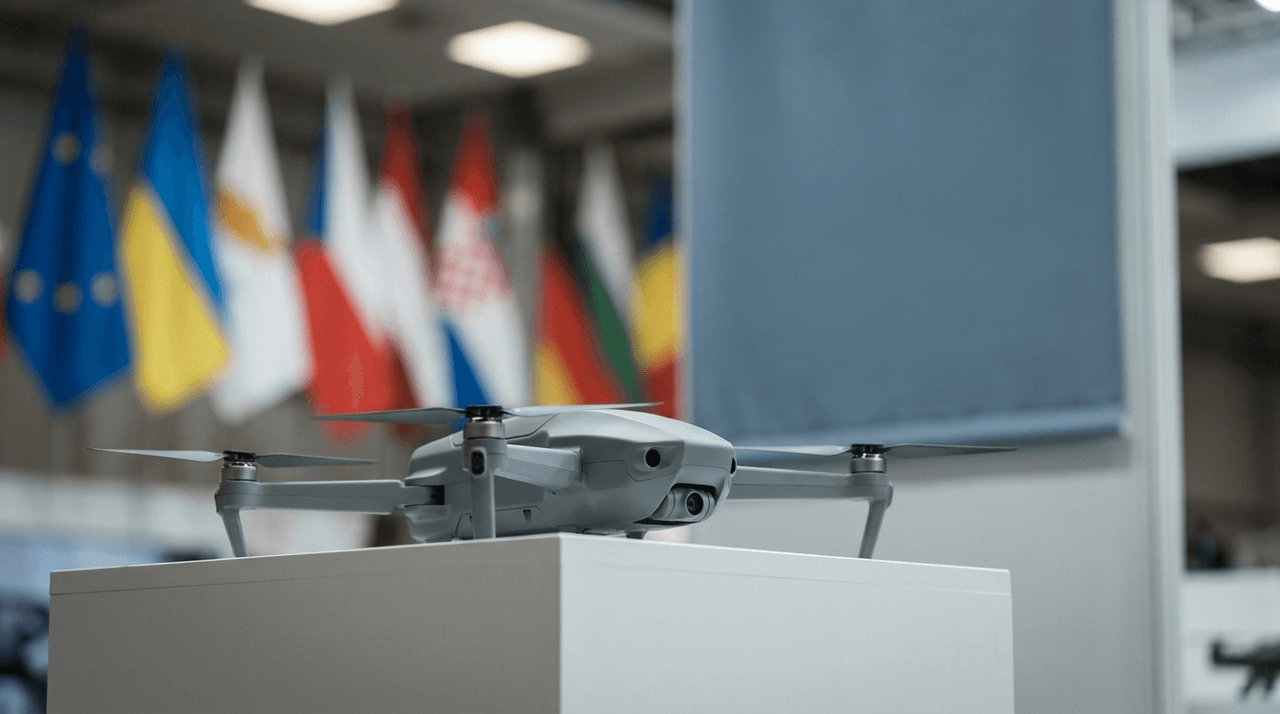
From test range to exporter: Latvia's drone industry after Eurosatory 2026
In two days at Eurosatory 2026, Latvia signed a bilateral drone-acquisition deal with the US and sold its homegrown BLAZE interceptor to France. What it signals.
- latvia
- origin-robotics
- blaze
2026-06-21
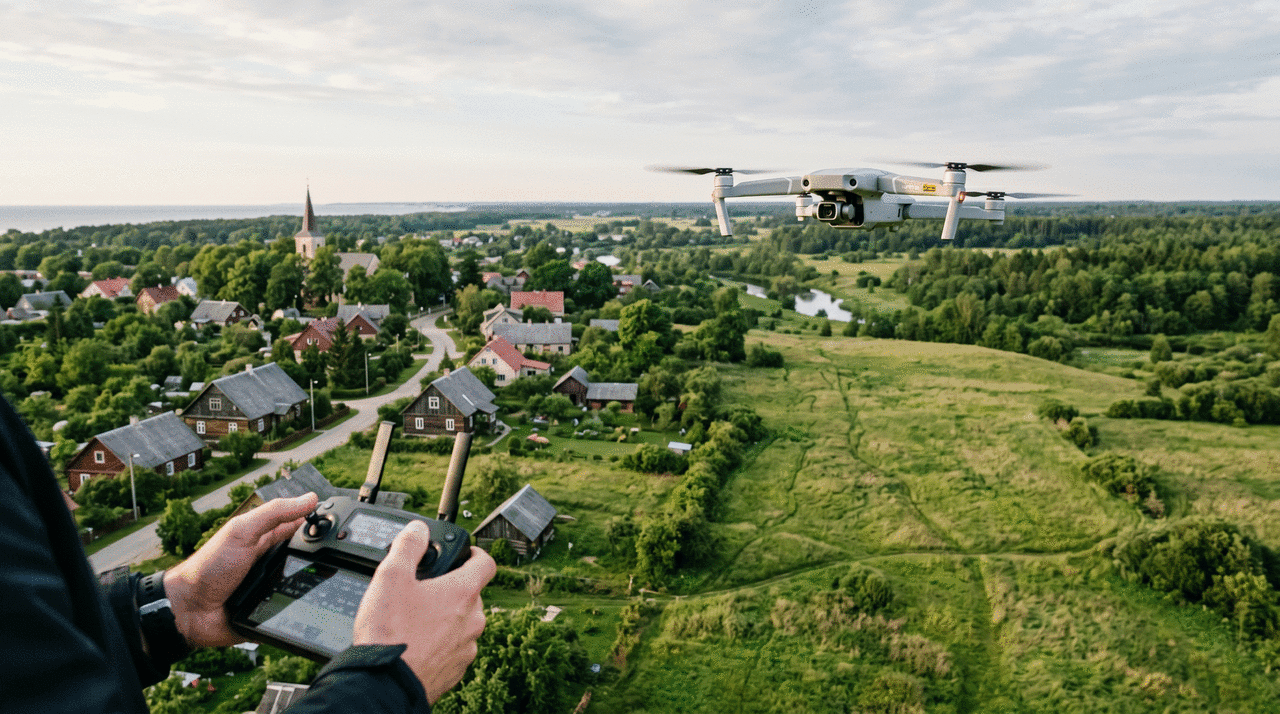
The A2 certificate of competency: when you need it and how to get it in Latvia
A2 is for flying a C2 drone closer to people than A3 allows. When it applies, the three steps to the certificate, and what the exam looks like: 30 questions, 75%, €15.
- a2
- certificate
- latvia
2026-06-20
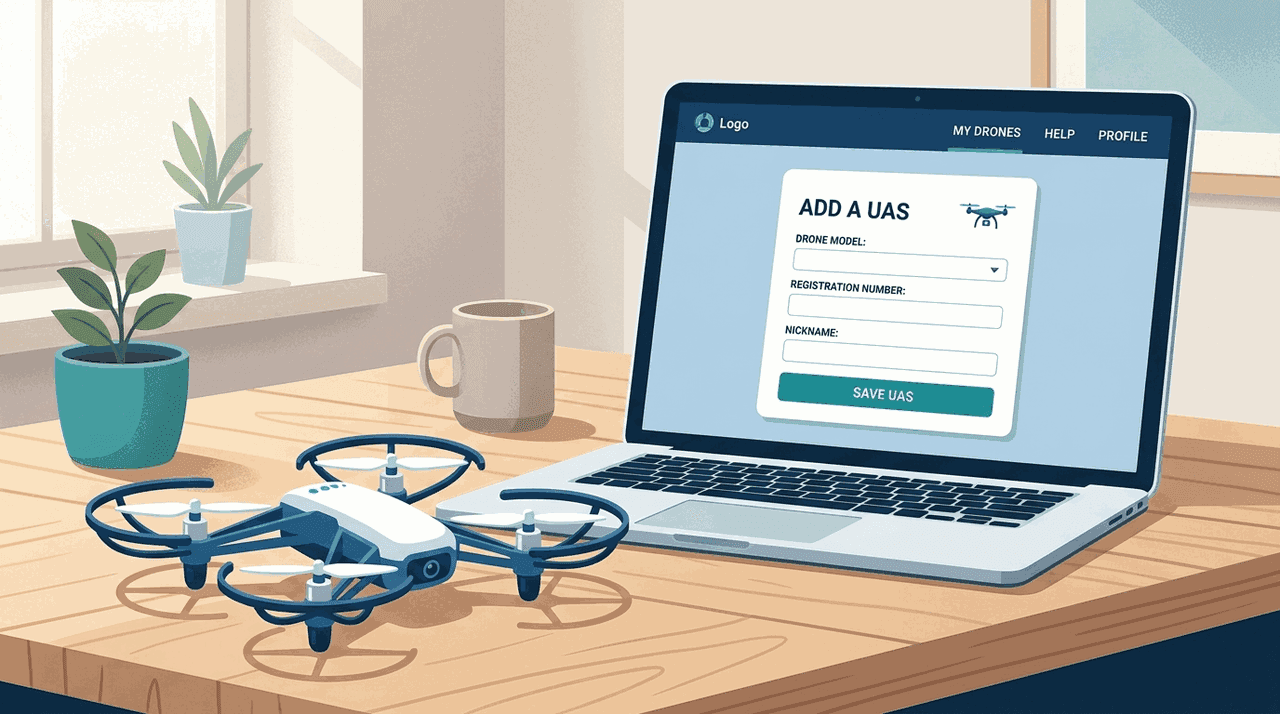
How to add a drone in BGKIS before your first flight request
Before a flight request, the drone must be in BGKIS so it can be picked from the list. How to add it, what to do if the model is missing, and C-class drones.
- bgkis
- uas
- getting-started

2026-06-20
BGKIS for companies — representatives, pilots and drones
How a company adds representatives, links remote pilots and adds drones in BGKIS so flight requests in UAS geographical zones can be filed on the company's behalf.
- bgkis
- uas
- companies

2026-06-20
BGKIS or airspace.lv — where to submit and where to check
Two tools, two jobs. airspace.lv/drones shows what applies; BGKIS is for submitting and coordinating. Why the BGKIS map is not the airspace map.
- bgkis
- uas
- geographical-zones
2026-06-20
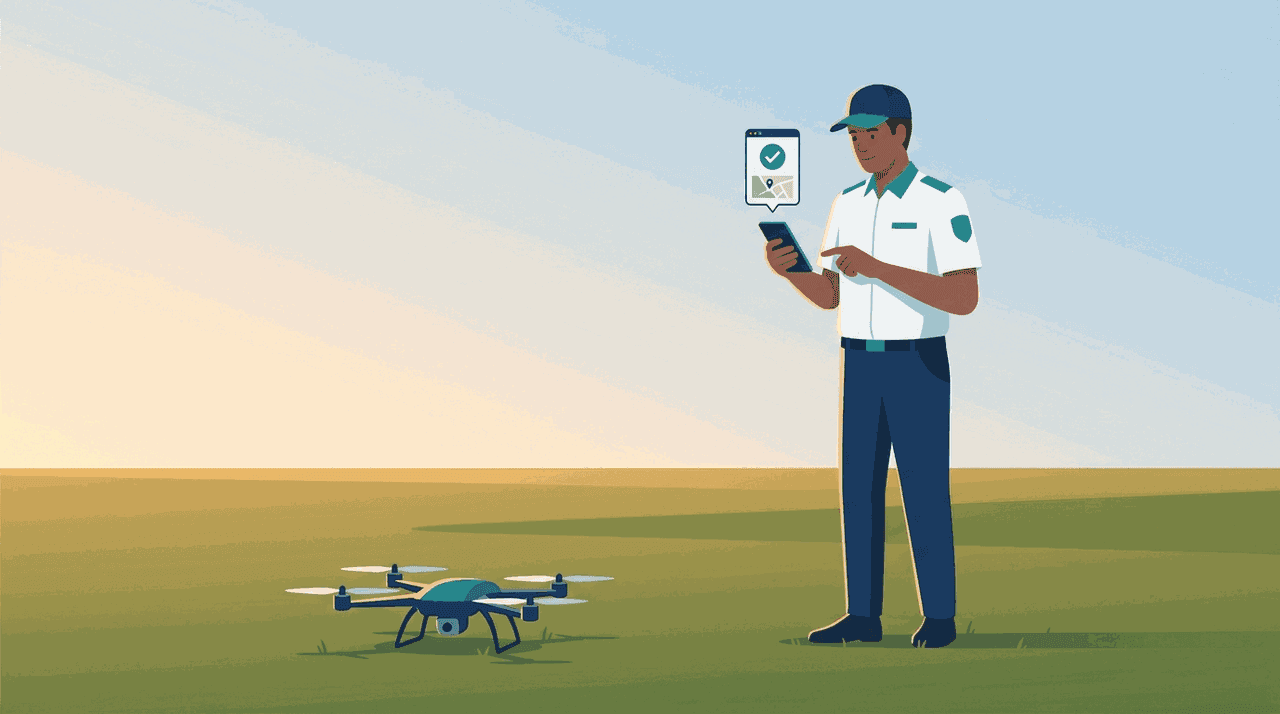
Your request is approved — what to check before takeoff
A BGKIS approval is not a licence to ignore the rest of the rules. What to check before takeoff — status, zone conditions, airspace.lv, and the 120 m and VLOS baseline.
- bgkis
- uas
- latvia

2026-06-20
Foreign UAS operator in Latvia — how to start with BGKIS
Registered as a UAS operator in another EEA state or Switzerland? How to create a BGKIS profile, declare your registration, and file requests in UAS zones in Latvia.
- bgkis
- uas
- latvia

2026-06-20
How to submit a UAS flight request in BGKIS — step by step
A practical walkthrough of filing a flight request in a UAS geographical zone through BGKIS — from valid registration and adding a drone to submitting and tracking status.
- bgkis
- uas
- getting-started

2026-06-20
What data the CAA requires in a UAS flight request
Field by field: what a BGKIS request asks about the operator, the remote pilot, the drone, and the planned flight — under Cabinet Regulation No. 248, point 54.
- bgkis
- uas
- latvia
2026-06-20
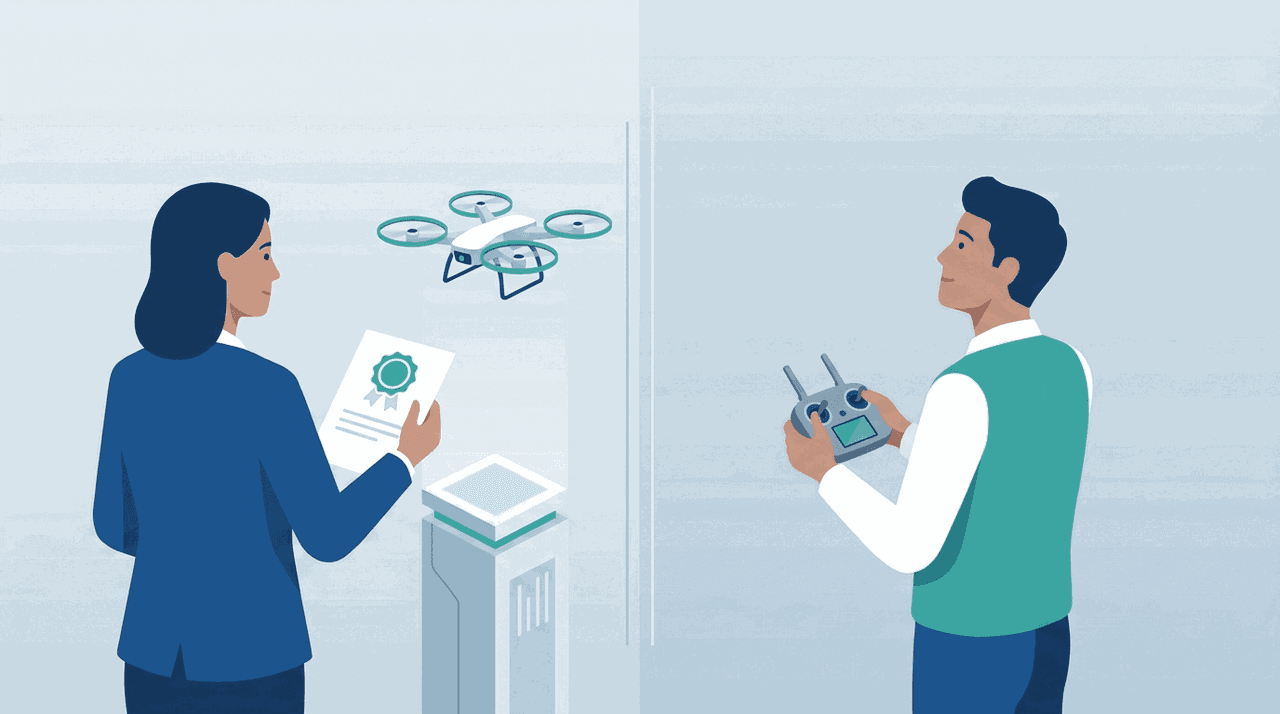
UAS operator vs remote pilot — two roles not to confuse
A BGKIS flight request names both the UAS operator and the remote pilot. Why they are different roles, which number goes where, and how it changes for companies.
- bgkis
- uas
- operator
2026-06-18
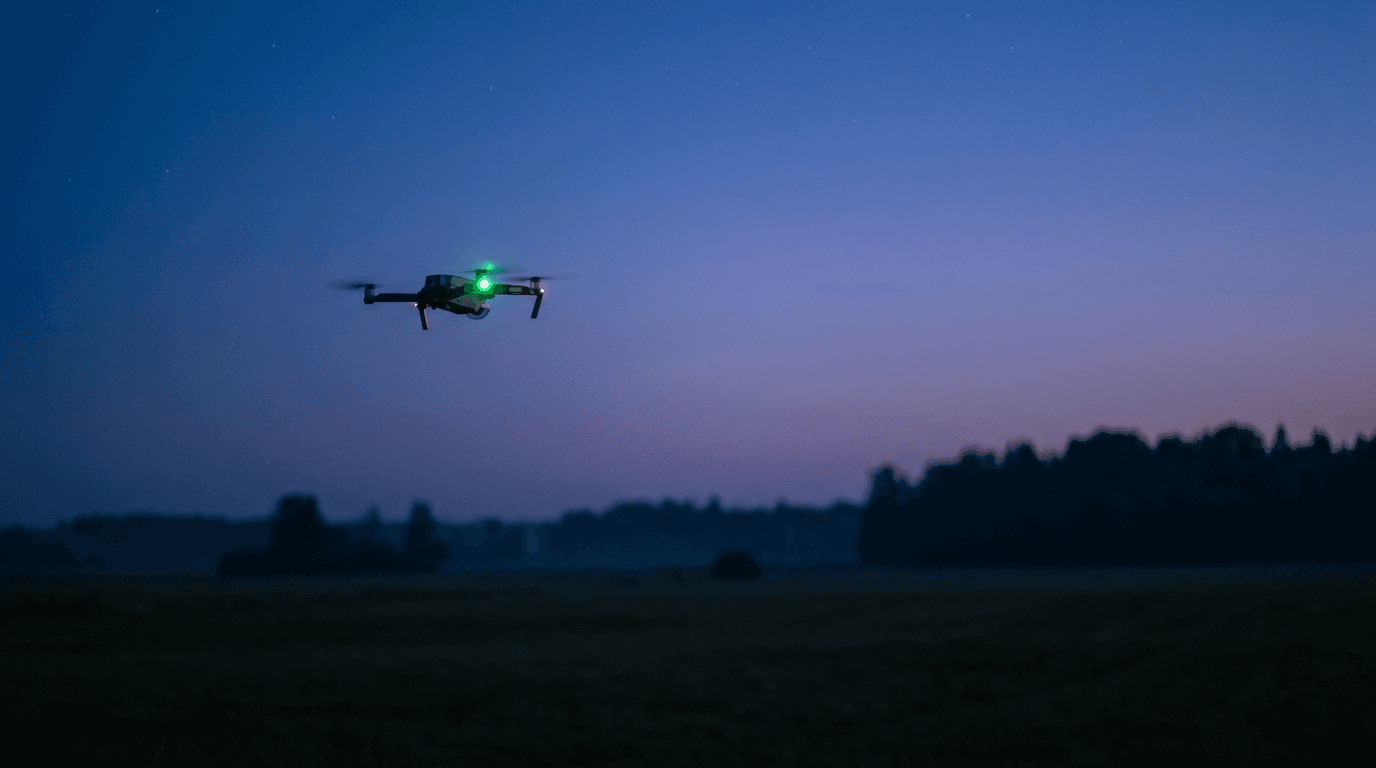
Night drone flights — what the EU open category allows
Can you fly at night in the open category? Yes — with an active green flashing light and VLOS maintained. A practical guide for pilots in Latvia.
- open-category
- regulations
- easa