The EU has started dismantling an aerial-spraying ban that has stood for almost 16 years — the first structural amendment to the Sustainable Use of Pesticides Directive (2009/128/EC). That opens a new legal pathway for agricultural spray-drone operations across the EU, but "legal pathway" and "cleared to fly tomorrow" are two different things — and the gap between them is most of what matters here.
What actually changed at EU level
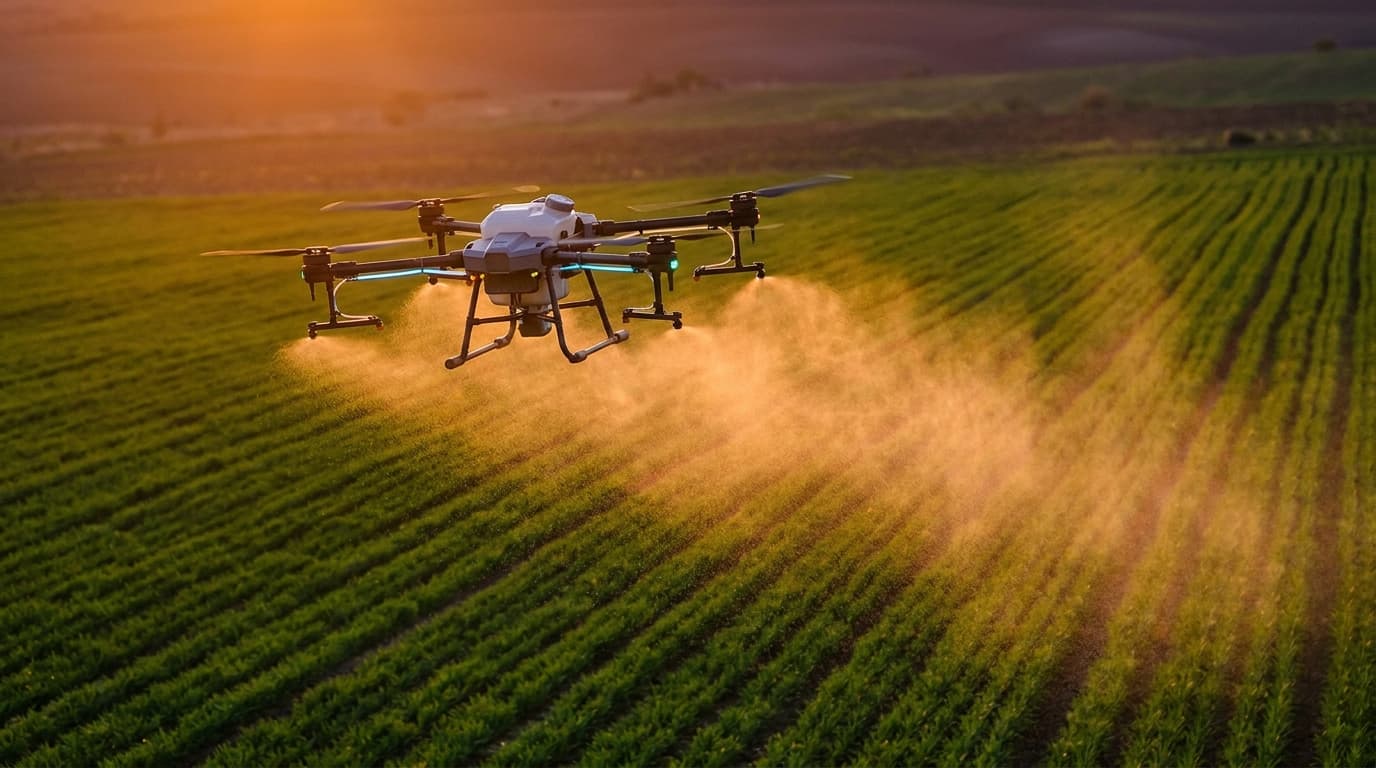
Since 2009, Directive 2009/128/EC has effectively banned aerial application of plant-protection products, with only narrow exceptions. As reported by DroneXL, the Food & Feed Safety Omnibus package, published in December 2025, contains the first structural amendment to that directive — creating a new legal basis for agricultural spray drones, a mechanism that simply did not exist for 16 years.
It matters what this amendment does not do: it is not an operational permit that automatically takes effect in every member state. It removes the EU-level legal obstacle in principle, but actual spraying operations are still governed by whatever each member state adopts in its own national implementing rules.
Italy is the example of why "open" doesn't mean "ready"
DroneXL reports that Italy's implementing decree — the one meant to open the path for spray drones in practice — has stalled. That's a concrete illustration of the friction operators should expect at the member-state level: the EU opened the door, but each country decides on its own how fast, and under what conditions, it opens its own.
There's no basis for assuming Latvia is further along, or further behind, than Italy on this — available sources do not confirm Latvia's national implementation status for spray-drone operations. That has to be treated as unanswered, not assumed in either direction.
Why this is still specific category, not A1/A3
Here the line is clear no matter how EU policy moves: spraying with a drone in Latvia is already a specific-category operation, not an open-category one. CAA Latvia says so directly — flights intended to drop cargo or spray fall outside the open-category limits and into the specific category.
In practice that means:
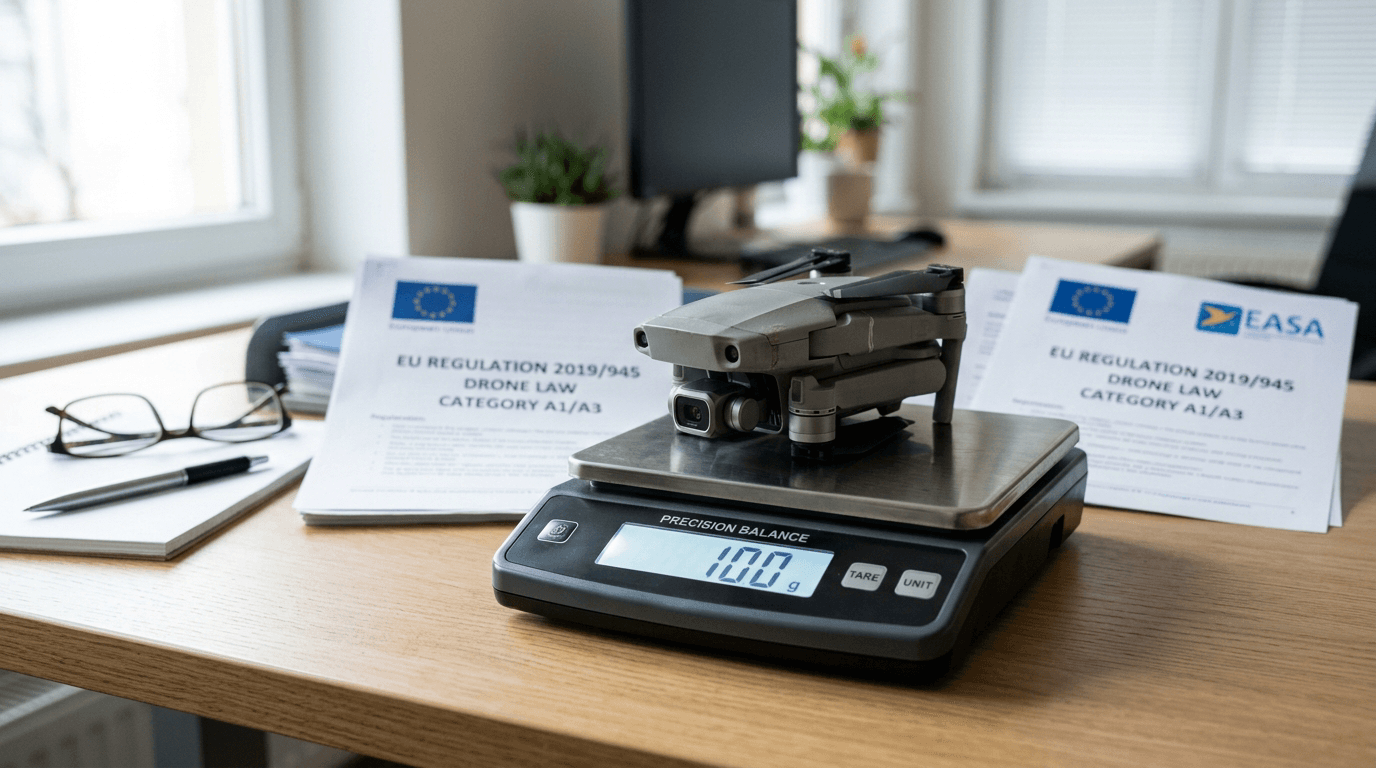
| Open category (A1/A3) | Specific category (spraying) | |
|---|---|---|
| Certificate | A1/A3 remote pilot certificate | Not sufficient — additional authorisation required |
| Operator duty | Registration with CAA (from 250 g) | Operational declaration (STS-01/STS-02) or a CAA-issued operational authorisation |
| Risk assessment | Not required | A SORA risk assessment may be required |
The amendment to Directive 2009/128/EC doesn't move this line. It answers "does EU law in principle allow aerial spraying" — not "is your A1/A3 certificate enough for it." It wasn't enough before, and it still isn't.
DJI's 600,000-unit fleet — market scale, not an endorsement
DroneXL notes that DJI Agriculture announced, at the Agrishow 2026 conference, a global agricultural-drone fleet that has passed 600,000 units — 50% year-on-year growth. That's a figure that shows the scale of the market and why manufacturers are watching EU regulation move — it is not confirmation that any specific model or manufacturer is ready or recommended for use in Latvia or any other EU country. Opening a regulatory pathway and a specific product's fit for a specific market are two separate questions.
What's actually worth tracking
If you're seriously considering an agricultural spray-drone operation, the realistic timeline is years, not a season:
- EU level — whether the amendment to Directive 2009/128/EC is finalized, and in what form (the Omnibus process hasn't concluded).
- Latvia level — whether and when Latvia adopts its own national implementing rules for spray-drone operations; this article doesn't confirm that, because the available sources don't confirm it.
- Category level — whether your planned work fits an existing STS standard scenario or needs an individual CAA operational authorisation with a SORA risk assessment.
For how the specific category actually works and when it applies, see our article on when you need the specific category. For a broader look at drones in agriculture — monitoring, mapping, and why spraying is the exception rather than the baseline case — see drones for agriculture.
What matters now
The EU has opened a legal pathway for spray drones after a 16-year ban — that's a real and meaningful step. But it's an EU-level legal opening, not an operational permit, and Italy's stalled decree shows the gap between the two can last a long time. If you're planning in this direction, track Latvia's national rulemaking — not the EU headline — and assume spraying stays a specific-category operation regardless of how big a number a manufacturer quotes at a conference.