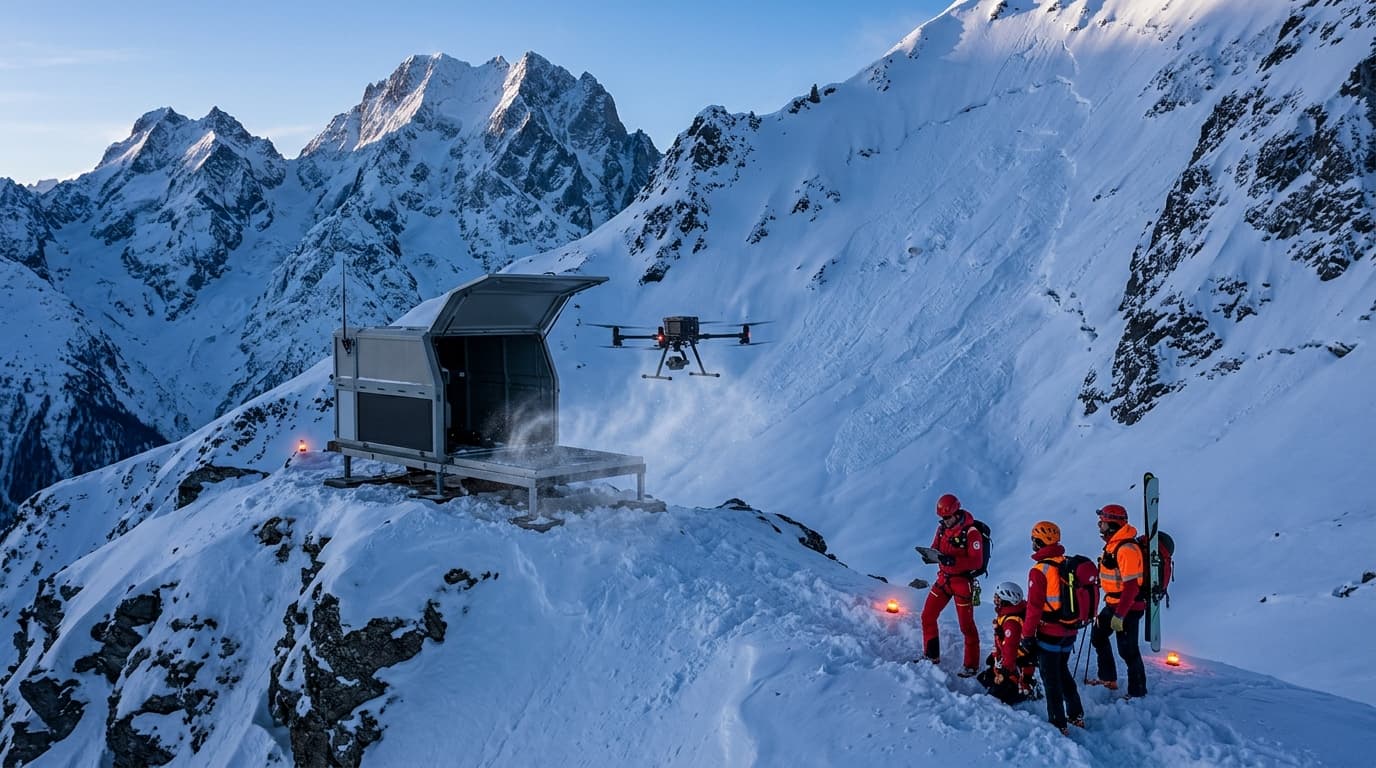
At Val Thorens — Europe's highest ski resort, at 2,300 m — a rescue service no longer waits for a crew to drive a drone to a launch point after an avalanche alert. The system launches itself: a DJI Dock 3 housing a Matrice 4TD lifts off autonomously within 10 seconds of the alert and streams thermal and optical imagery to rescue coordinators before a ground team ever sets foot on the hazardous slope. That matters because avalanche victim survival rates fall sharply after roughly 20 minutes — and that window is exactly what the system is built to shrink.
What's actually deployed
This isn't a new drone model — it's permanent, automated infrastructure. A dock (DJI Dock 3) keeps a Matrice 4TD — a thermal-camera-equipped aircraft — sitting on standby and launches it without anyone present at the site. The system runs day and night, and its real advantage isn't the aircraft itself but the fact that the gap between an alert and the first aerial frame no longer includes travel time for a human crew. It's one of the first permanent drone-dock installations at a European ski resort, and it's already operational — not in testing or announcement stage, unlike a number of comparable projects elsewhere.
Why this is specific category, not open category
A permanent, auto-launching dock operating beyond the pilot's visual line of sight (BVLOS) falls outside the open category by definition. CAA Latvia's guidance is unambiguous on this: BVLOS flights sit in the specific category, where the operator must file an operational declaration under a standard scenario or hold a CAA-issued authorization based on a risk assessment. A permanent installation — a dock that stays in place for years rather than serving one flight — adds a different kind of complexity on top of that: physical siting, maintenance, coordination with local authorities, and ongoing risk management, not a one-off flight plan. For what that process looks like in practice, see our piece on BVLOS flights in the EU specific category.
That boundary matters so nobody assumes a certified hobby pilot could run this kind of rescue operation. An A1/A3 certificate authorizes flight in the open category — within visual line of sight, below 120 m, with no autonomous-launch privileges. If a rescue-service pilot launched their own drone in an emergency, they'd still need to keep it in sight and be physically present at the launch site — exactly the time loss the Val Thorens system removes. For a look at what comes closer to rescue-service needs when equipment or people need to move, see our coverage of cargo drones in mountain rescue.
When specific category is the justified choice
Not every operator needs its own dock — most commercial or rescue tasks are covered by a standard-scenario declaration or a one-off authorization. But the question of exactly when a flight crosses the open-category limit and needs the specific category comes up repeatedly across industries, from agriculture to infrastructure monitoring. For an overview of how to make that call, see when you need the specific category.
Thermal imaging as a rescue tool, not a novelty
Using a thermal camera in search-and-rescue work isn't new by itself — it's long been standard in mountain and forest rescue, since a human body's heat signature is far easier to spot in snow or trees than in an optical image. What's new in the Val Thorens case isn't the thermal camera; it's the speed at which it gets airborne. For more on sensor choice for rescue work, see our roundup of the best thermal drones for search and rescue.
Broader context: docks beyond infrastructure inspection
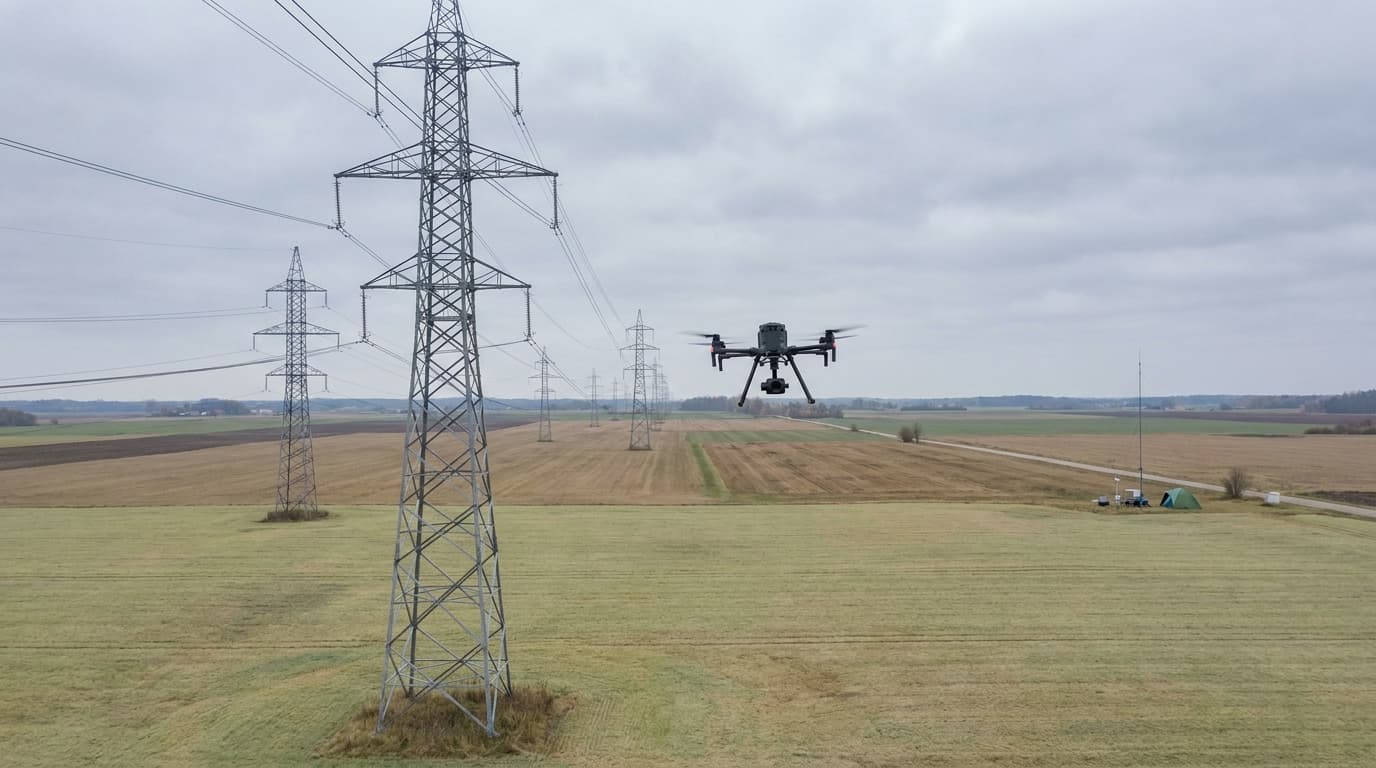
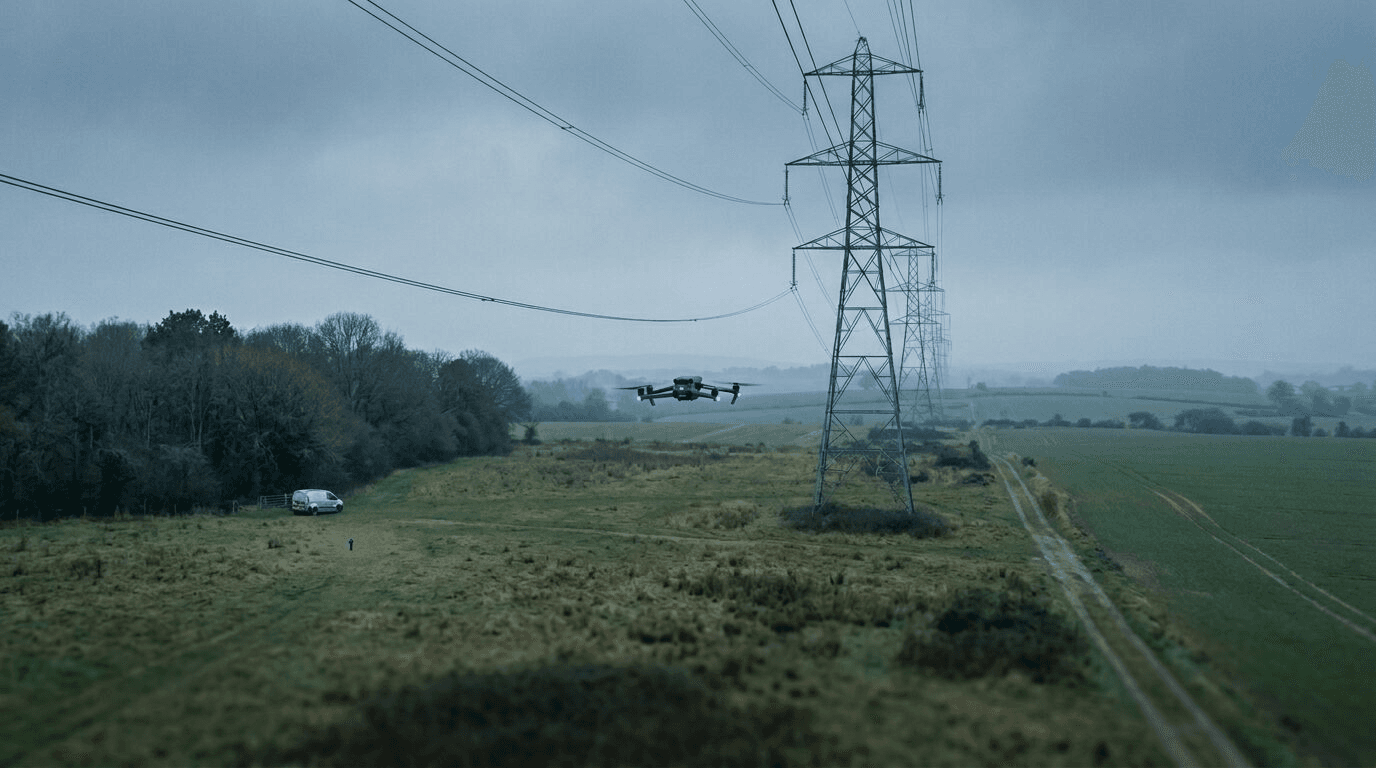
Until now, docks have mostly been associated with industrial infrastructure — routine monitoring of power lines, pipelines, or facilities, where an automated, scheduled flight replaces a human patrol. The Val Thorens case shows the same architecture — a permanent station, standby mode, remote control — carrying over to time-critical, life-safety scenarios, where the payoff isn't regularity but response speed. It's a logical step, but not an obvious one, and for now it remains a single, source-reported direction rather than a confirmed broad trend. For where this technology first took hold, see our piece on industrial drone inspection and the future of infrastructure monitoring.
What matters now
The Val Thorens system is fielded, operational infrastructure — not a plan or a test. It's one of the rare current cases where an autonomous BVLOS dock genuinely saves time in a life-safety situation. It remains specific-category, professional-operator territory: a certified A1/A3 pilot can fly responsibly and safely in the open category, but nothing in that certificate covers an autonomous, BVLOS launch in an emergency. If you're weighing a move toward the specific category — for infrastructure or rescue work — the next step is understanding the SORA and standard-scenario framework, not trying to replicate this with a hobby drone.
Want to know where the open category ends and the specific category begins? See our guide on BVLOS flights in the EU specific category.