How much does a drone pilot actually earn? Search that question and you will mostly find guesswork — screenshots of job boards, averaged salary aggregators, forum posts from a single freelancer having a good year. None of it answers the real question, which is not "what's the number" but "what moves the number." That second question has a concrete answer, and it starts before you ever touch a client contract: with certification.
Certification decides what work you're even allowed to take
In the EU there is no separate "commercial drone pilot" job title with a fixed rate card. What exists is a set of certificates that gate which flights are legal, and pay tracks legality more than anything else. A pilot who only holds A1/A3 can legally fly the Open category's least risky slice — light drones, away from people. A pilot who also holds A2 can fly a C2-class drone close to buildings and crowds, which is where most inspection, real-estate and event work actually sits. The gap between those two pilots isn't a skill gap on day one — it's an eligibility gap. One of them can legally take the job; the other cannot.
That is the first and largest lever on earnings: certification does not pay you directly, it decides which paying jobs you're even allowed to bid on.
Niche matters more than "drone photography" as a category
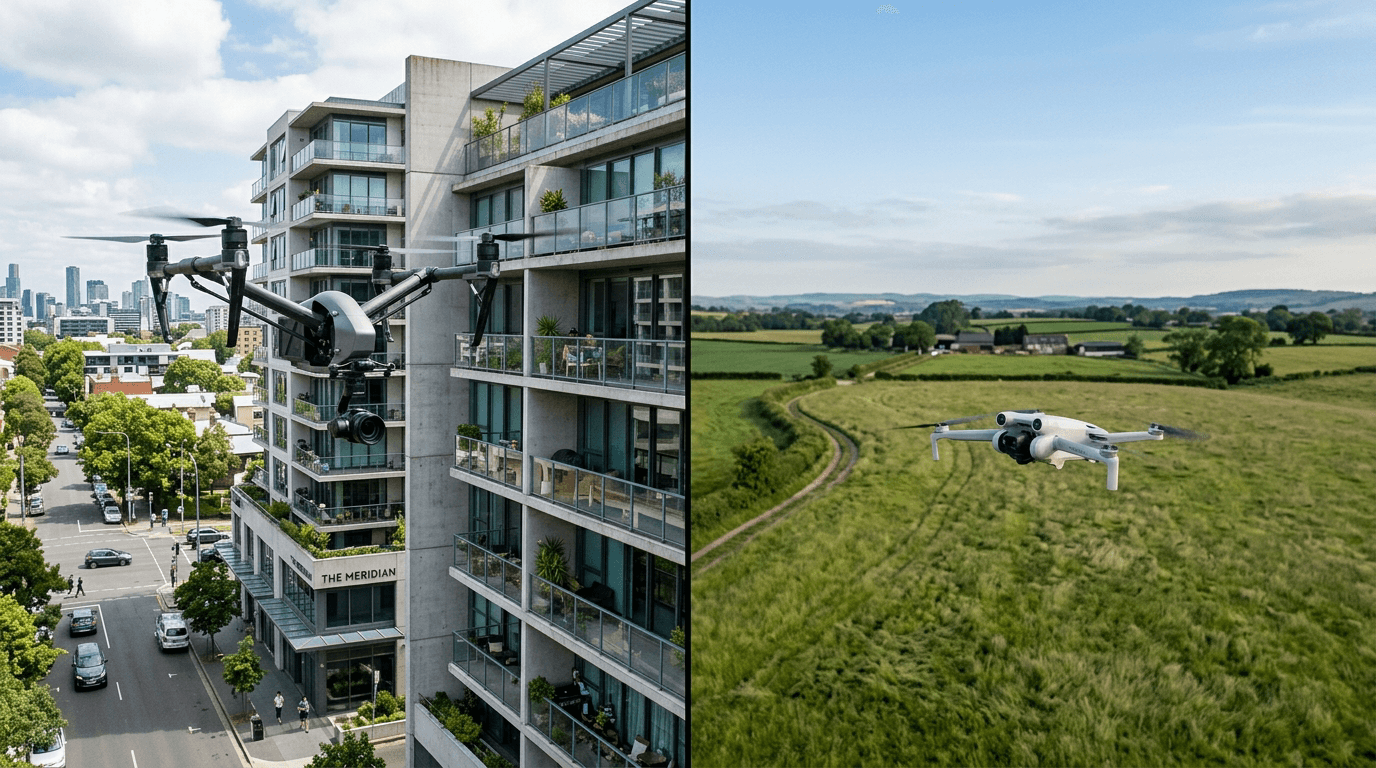
"Drone pilot" is not a service a client buys — a solved problem is. The niches with steady, repeat demand look broadly similar across the EU: roof and facade inspection, construction-progress documentation, surveying and mapping, agricultural monitoring, energy-infrastructure checks. These pay for data and a recurring problem solved, not for flight time. A single real-estate shoot is a one-off; a quarterly roof inspection contract for a property manager is recurring revenue with none of the client-acquisition cost repeated each time.
Contrast that with general aerial photo and video work, which is the easiest niche to enter and the most saturated one — every hobbyist with a C2 drone and a portfolio page competes there. It's a reasonable way to start, but it rarely sustains a business on its own.
Employed vs. freelance changes the shape of the income, not just the size
Two structurally different paths exist, and they carry different trade-offs:
- Employed — construction firms, surveying companies, utilities and public bodies increasingly hire remote pilots directly, sometimes as a secondary skill alongside a primary role (surveyor, inspector, videographer). Pay here is a normal salary line, predictable, with equipment and insurance provided by the employer.
- Freelance / operator — you register as the UAS operator yourself, buy your own equipment, carry your own insurance, and price jobs individually. Income is less predictable month to month but has no salary ceiling — it scales with how many niches you serve and how many clients repeat.
Neither path is objectively better; they answer different risk tolerances. What's true for both: the pilots who do well are rarely doing one-off gigs indefinitely. They convert early jobs into repeat contracts.
Equipment and region set the floor and the ceiling
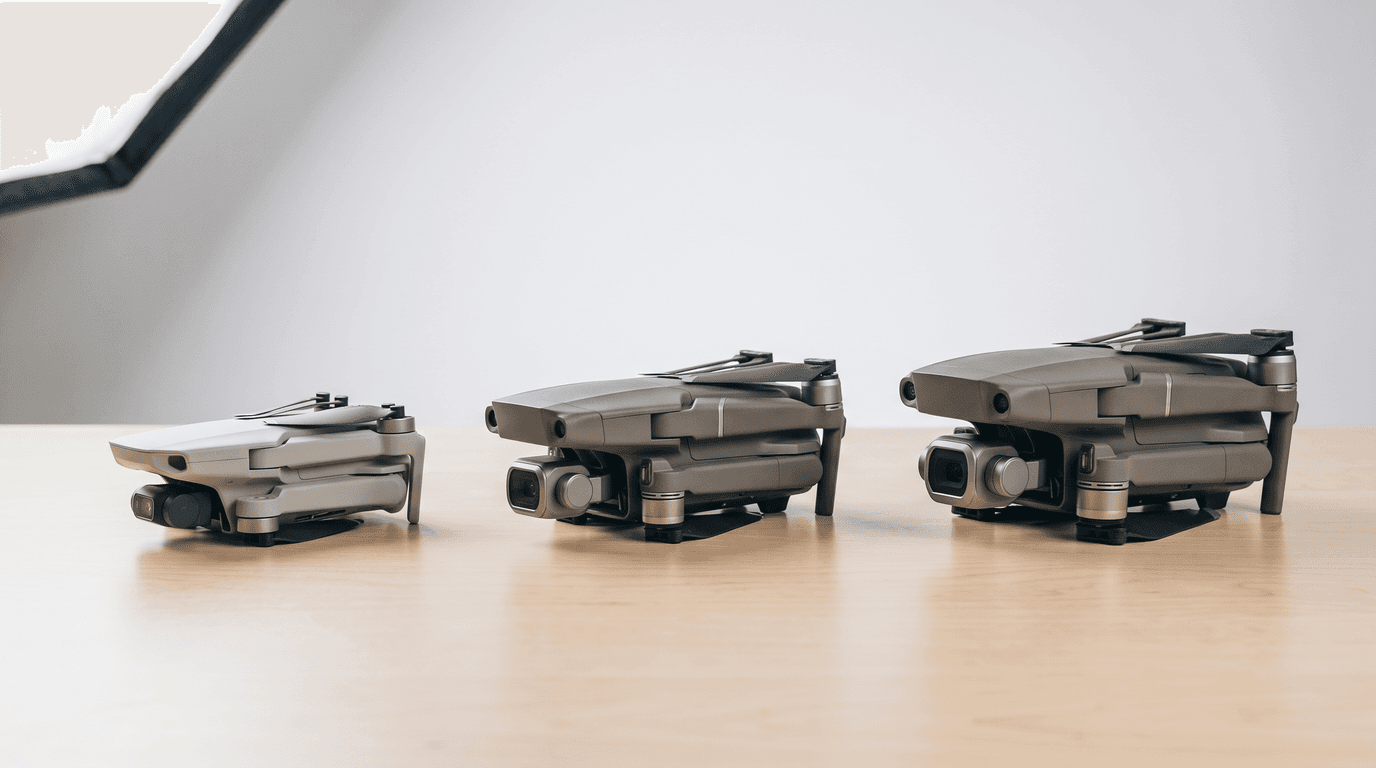
A C2-class drone with a decent camera is table stakes for A2 work; a thermal or LiDAR-equipped platform for inspection or mapping work costs meaningfully more but opens higher-value contracts that a camera-only setup can't bid on. That upfront cost is a real barrier for anyone starting out, and it's a reason employed roles are an easier first step than buying a fleet before you have a client.
Region matters too, in an unglamorous way: local construction and infrastructure activity, the density of property managers and surveying firms, and how saturated the photo/video niche already is in your area all shift what a given service is worth. A rural region with little construction has fewer inspection contracts than a growing urban market — the certificate is EU-wide, the demand for it is not.
How to actually start
The order that works: get the certificate that opens the work you want, register properly, then build a narrow portfolio before you build a broad one.
- Pass A1/A3 — it's free and it's the prerequisite for everything else.
- If your target work is near people or buildings — which most paid work is — add A2.
- Register as a UAS operator and mark your drone before you fly a single paid job.
- Pick one niche, not five. Ten portfolio pieces in roof inspection sell better than one piece each in ten categories.
- Decide early whether you're building toward employment or your own operation — the equipment and insurance decisions differ.
What matters now
There is no single figure for drone-pilot pay, and any article that gives you one is guessing. What's real is the set of levers: the certificate you hold decides what you can legally bid on, the niche decides how repeatable the income is, and employed-vs-freelance decides how that income is shaped. None of those levers move until the certificate is in hand — that's the one step that has to come first regardless of which direction you take afterward.
Ready to start? The A1/A3 course is the first lever — pass it, then decide which niche and structure fit you.