Owning a drone and a decent camera is not the same as having a business. The gap between "I can shoot nice aerials" and "someone pays me to shoot aerials" is filled with specifics most beginners skip: which niche actually has recurring demand, what a client expects before they hand over a shoot list, and what has to be in place — legally and technically — before the first invoice.
Here is the realistic shape of that gap, niche by niche.
Where the money actually is
Drone photo and video work is not one market. It is several small ones, each with its own buyer, its own delivery expectations, and its own barrier to entry.
Real estate
The steadiest entry point for most new pilots. Estate agents and property managers need exterior shots, sometimes short walkthroughs, on a predictable schedule — new listing, new shoot. The bar is technical consistency more than creativity: level horizons, clean exposure, fast turnaround. It is also the niche with the lowest tolerance for a shaky first attempt, because the client's listing goes live on a deadline. If this is your entry point, drones for real estate covers what agents and property managers actually expect from a shoot.
Events and venues
Weddings, festivals, sports days, corporate outdoor events. This work pays for reliability under pressure — a single pass, often in changing wind and light, with no retake. It also carries the tightest airspace and privacy constraints of any niche on this list: crowds, temporary restrictions, and a client who assumes you have already checked both before you ever ask them.
Tourism and destination marketing
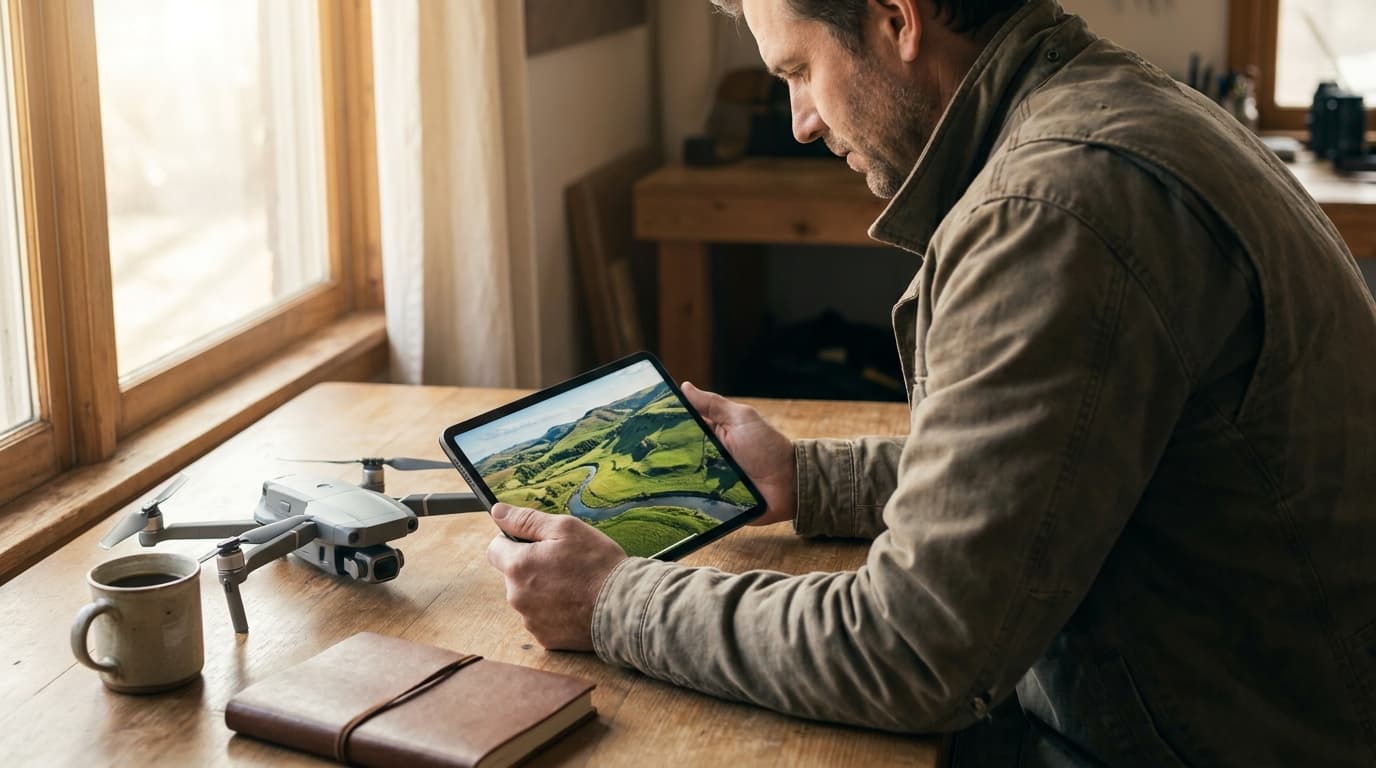
Municipalities, tourism boards, and hospitality businesses buy aerials to sell a place — a coastline, a hiking trail, a hotel grounds. The work is closer to advertising than to documentation: mood, motion, a short cut rather than a long file. It rewards a strong personal portfolio more than any other niche here, because buyers are choosing a look, not just a service.
Inspection stills
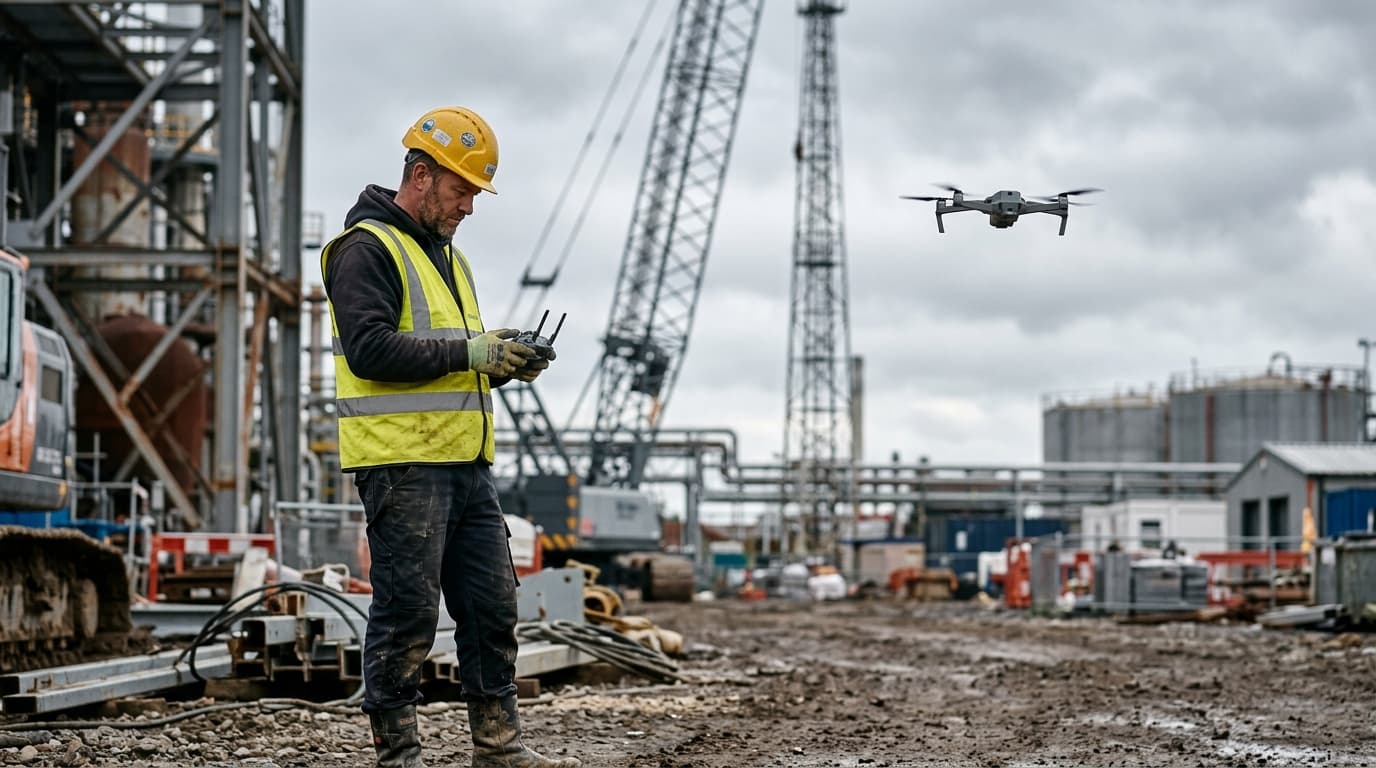
Roofs, facades, solar arrays, construction progress. This sits closer to commercial documentation than to photography in the artistic sense, but it is worth listing separately because the pay pattern is different: property managers and contractors who need this once usually need it again next season or next project phase. Of everything on this list, inspection work is the one built on repeat demand rather than one-off jobs.
Stock footage
Selling aerial clips through stock platforms instead of to a single client. It asks for the least local networking and the most patience — footage sits in a library and earns (or doesn't) over time, unlinked from any one job. It is a reasonable side channel once you already have a body of usable footage from other work, not a realistic first income source on its own.
What you need before you charge anyone
The legal floor
Nothing above is optional to skip. In the EU, paid flying uses the same certificates as hobby flying — there is no separate "commercial" licence — but most of the niches above happen close to people or buildings, which puts you in A2 territory, not just A1/A3. If you have not mapped out which certificate covers which kind of flying, how to become a commercial drone pilot walks through the certification, registration and insurance steps in order. Skipping this and going straight to marketing a shoot is the most common first mistake — a client who asks about your registration number or insurance and gets a shrug will not book you twice.
The right gear for the job
A camera drone with a class mark that matches where you actually intend to fly — not the biggest sensor you can afford, but one you are cleared to fly where the paid work actually is. Spare batteries and a memory-card workflow that will not fail mid-shoot matter more to a client than marginal image quality. For anything beyond real estate and inspection stills, editing skill is part of the product: colour grading and cutting a usable minute out of ten minutes of raw footage is work the client is paying for as much as the flying itself.
A portfolio built before the first paid job
Clients hire against evidence, not certificates. Before pricing any work, shoot a handful of pieces on your own time and, where relevant, with the property owner's or organiser's permission — a friend's listing, a local café's patio, a public trail. Ten strong, varied pieces beat a long list of qualifications on a page nobody reads.
Getting your first clients
Local and direct beats generic. Real estate agents, small hospitality businesses, event planners and local contractors are far easier to reach through a direct message with two or three relevant portfolio pieces attached than through a public listing. Property managers doing recurring inspection work are worth pursuing specifically, because one relationship there can outlast a dozen one-off shoots. A simple portfolio page and a handful of local business relationships will outperform broad advertising for the first several months.
On pricing, think in terms of the problem you are solving for the client rather than the minutes you spent in the air. A property manager paying for recurring roof inspections is buying avoided cost and downtime, not flight time; an estate agent is buying a faster sale, not a video file. Rates vary widely by niche, region and experience — there is no single number worth quoting here, and any article that gives you one is guessing. Once flying, editing and the legal side are routine for you, turning this into an actual operation — contracts, invoicing, insurance beyond the minimum — is its own step, covered in how to start a drone business.
What matters now
The certification and legal work is the floor, not the differentiator — everyone doing this professionally has cleared it. What separates a working pilot from someone with a drone and a certificate is a chosen niche, a portfolio built before the first invoice, and enough flying discipline that a client never has to think about the aircraft at all. Pick one niche from the list above, build ten pieces around it, and let the certification be the boring part you clear early.
Ready to start? Get certified with the A1/A3 course before you fly a single paid job — it is the floor everything above sits on.