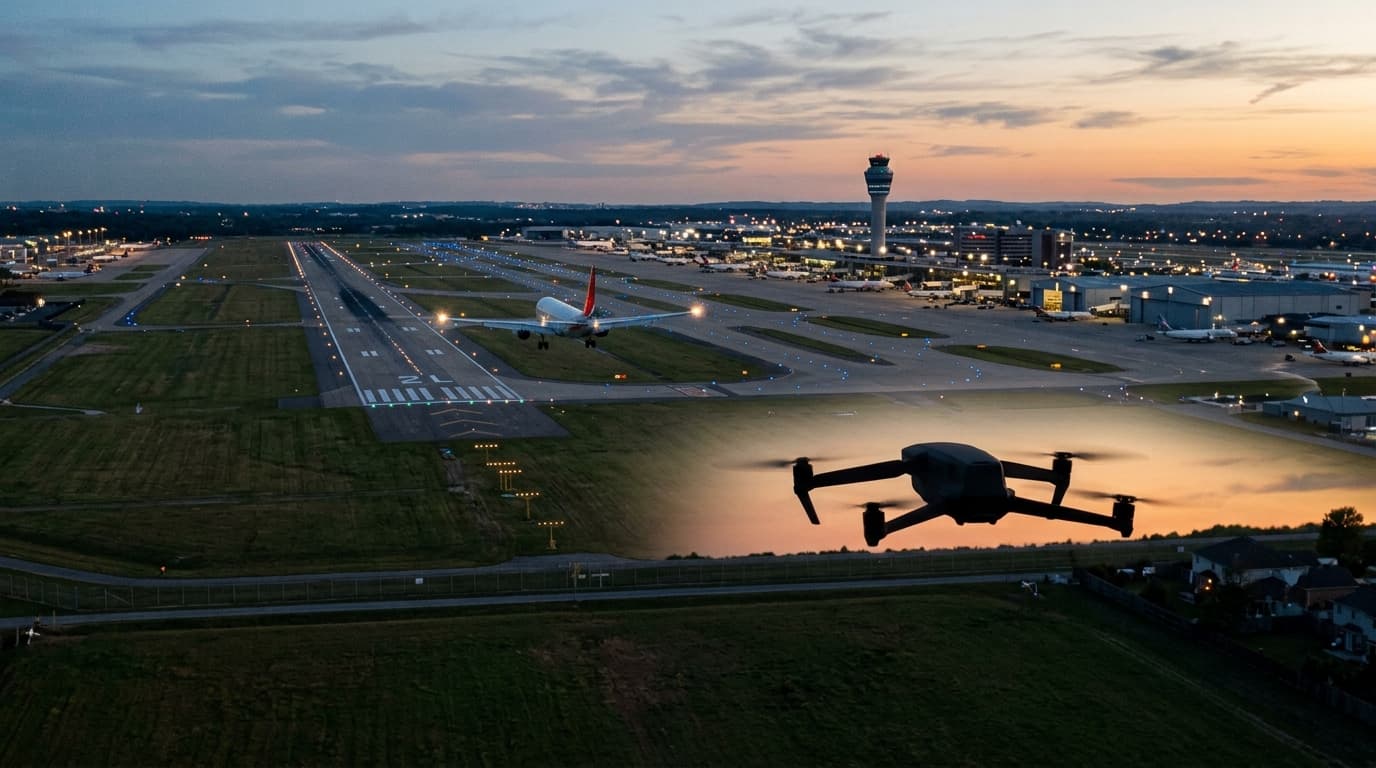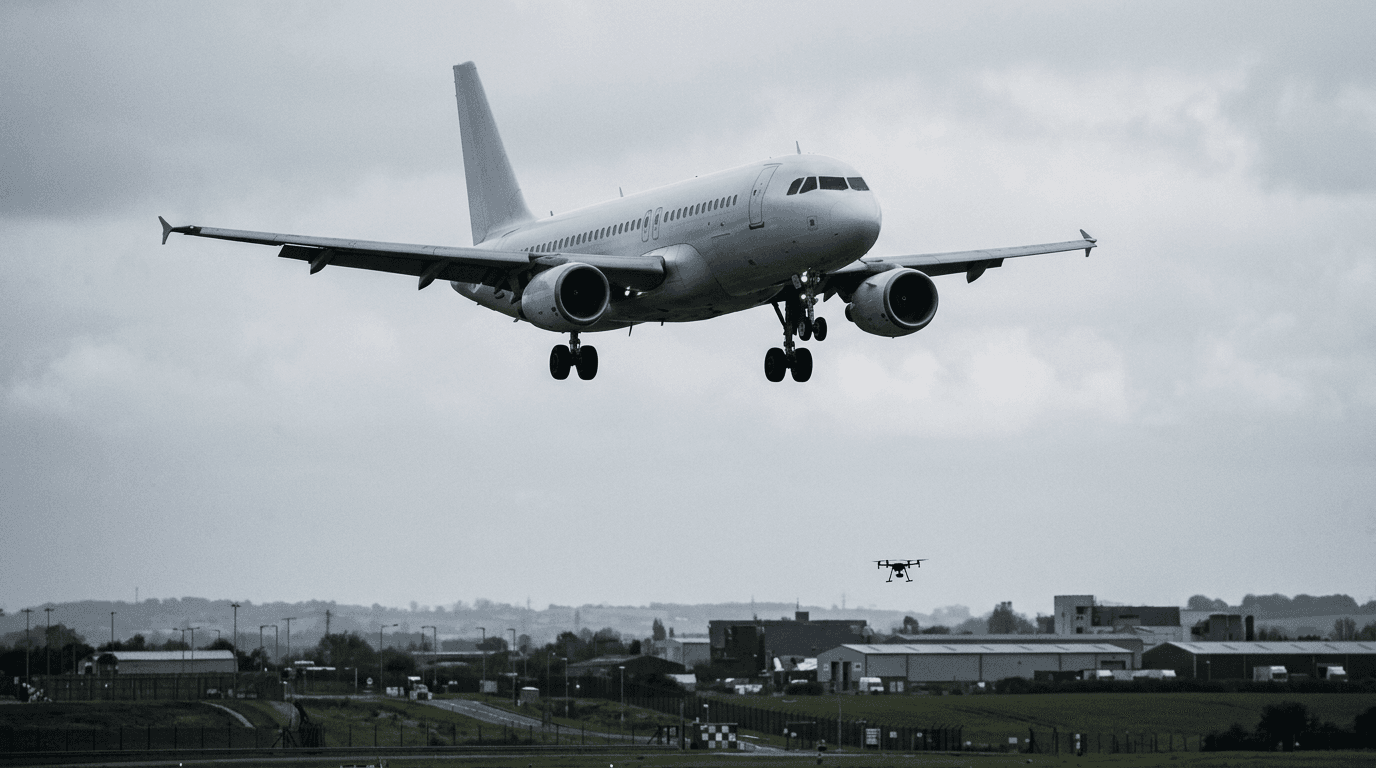
On 29 April 2026, the pilot of a United Airlines Boeing 737 on approach to San Diego reported that a small drone may have struck the aircraft at around 3,000 feet. The plane — 48 passengers, six crew — landed safely, and an inspection found no damage. The FAA opened an investigation. Nobody was hurt, and the strike itself is unconfirmed. But the altitude is the point: a drone at 3,000 feet over an airport approach is roughly seven times higher than any recreational drone is allowed to fly.
This is an editorial read of why that one number — the height limit — is the line civilian pilots cannot afford to treat as a suggestion.
What was reported
A United flight from San Francisco was about ninety minutes out, descending toward San Diego at roughly 900 metres, when the pilot told the tower a small object may have hit the aircraft. The recorded exchange has him describing it plainly: very small, red, bright, too small to identify with confidence. United confirmed a possible drone sighting and said its technical team found no damage after a thorough check. The FAA, which is investigating, prohibits drones above 400 feet — about 122 metres — without specific authorisation, and requires operators to stay clear of controlled airspace near airports.
Keep the uncertainty honest: this was a reported possible contact, not a confirmed collision. What is not uncertain is where it happened and how high.
Why altitude carries the safety case
Most of the rules a new pilot learns can feel abstract until something like this makes them concrete. The height limit is the most important of them, and it is not arbitrary. Crewed aviation lives above a certain floor; small drones are confined below it. The whole safety model of shared airspace depends on those two layers not overlapping. A drone at 120 metres and an airliner on a stabilised approach are supposed to never be able to meet.
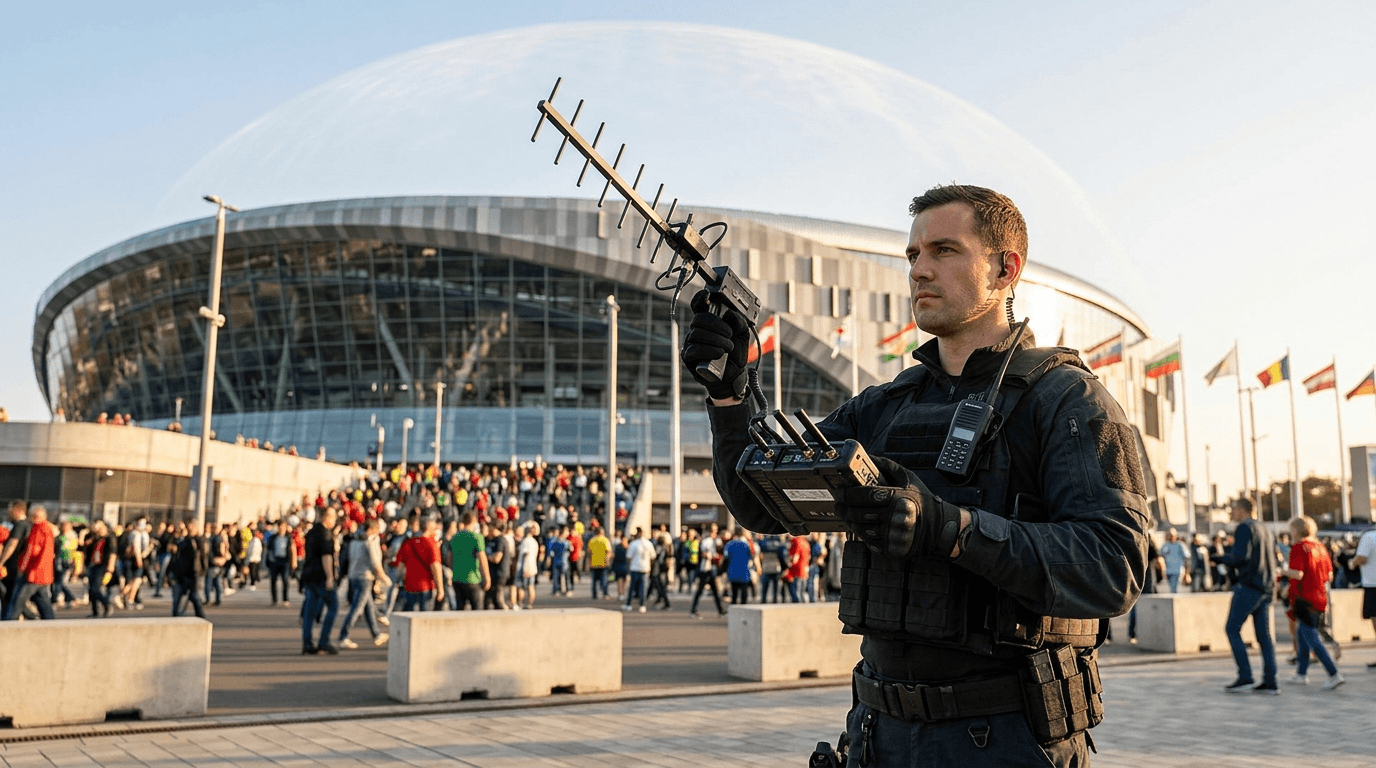
Push a drone to 900 metres on a final approach path and that separation is gone. The asymmetry is the point: losing a sub-kilogram drone is a minor event; hitting a pressurised aircraft with fifty-four people on board is not. That imbalance is exactly why regulators treat airspace near airports as off-limits and why counter-drone teams now ring major airports with detection systems — a build-out we covered in counter-drone systems for European airports. The incident over San Diego is the civilian-side version of the same threat those systems exist to catch.
The same line, in European terms
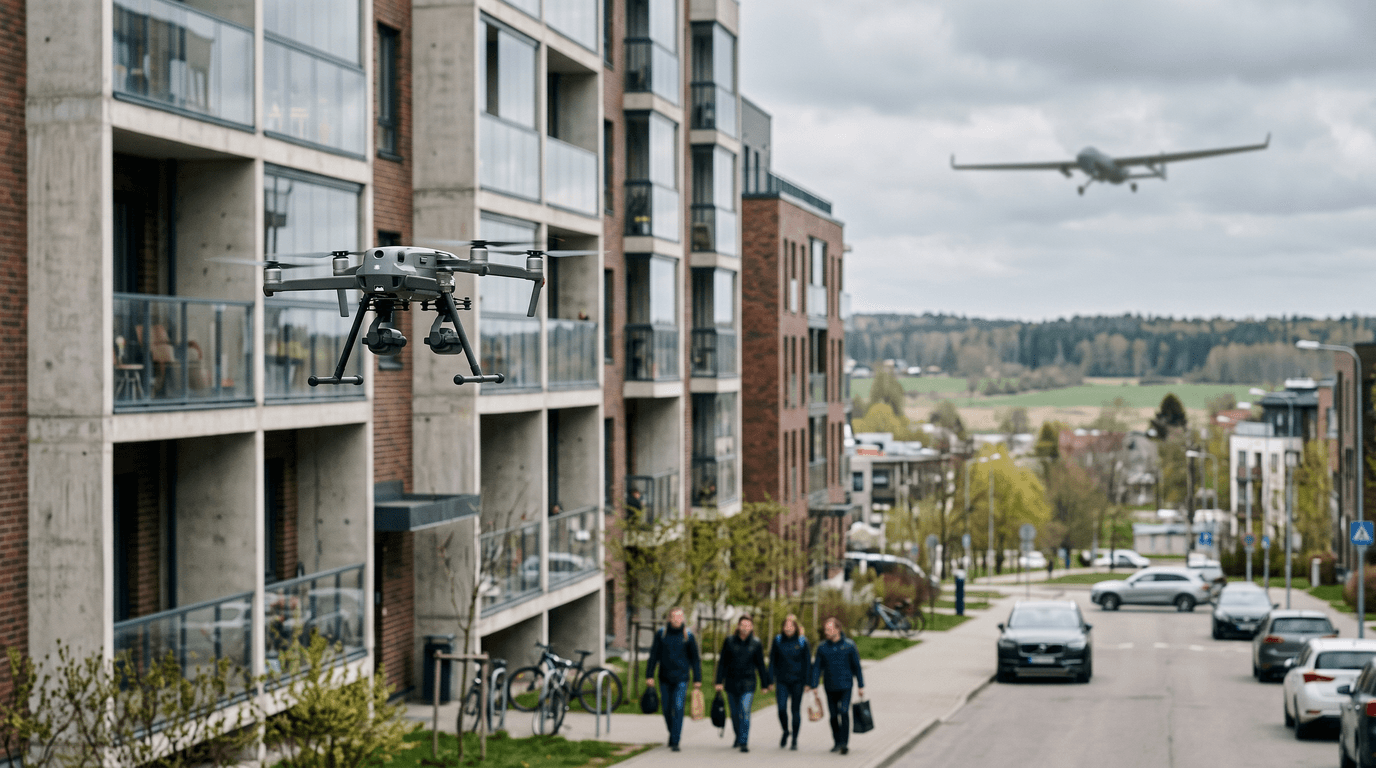
The same logic applies in Europe. In the EU's Open category — the one almost every recreational and light commercial pilot flies in — the maximum height is 120 metres above ground level. That ceiling, plus the rule to stay clear of aerodromes and other restricted zones, is the single most important constraint a new pilot carries. It is the difference between a legal flight and an aviation hazard.
Two practical points follow for anyone flying in Latvia.
- The height limit is not negotiable terrain by terrain. 120 m AGL is the ceiling, and it gets lower or disappears entirely inside controlled zones. Knowing your altitude is not optional skill — it is the core of staying legal.
- Airport and approach zones are mapped, and you are expected to check them. Latvia's geographical zones exist precisely so a pilot can see, before takeoff, where flight is restricted. We walk through the restricted areas in no-fly zones in Latvia; checking them is a pre-flight step, not an afterthought.
What matters now
Treat the San Diego report as a reminder, not a statistic. Whether or not the drone actually touched the aircraft, it was somewhere it could never legally be, at an altitude that exists to keep crewed and uncrewed flight apart. Every one of these reports — and there are more of them every year — hardens the regulatory environment for everyone, including the law-abiding majority who never go near an airport.
The lesson for a civilian pilot is the least dramatic thing in this story: know your height, know your zones, and treat both as hard limits rather than guidelines. That discipline is the entire foundation of the certification guide, and the altitude and airspace questions are exactly what the practice sets drill before you ever take the exam.
FAQ
Did a drone actually hit the airliner? It is unconfirmed. The pilot reported a possible strike by a small object at around 3,000 feet on approach to San Diego; United found no damage after inspection, and the FAA opened an investigation. Treat it as a reported possible contact, not a verified collision.
How high was the drone, and is that legal? The aircraft was at roughly 900 metres (about 3,000 feet). In the US the FAA caps drones at 400 feet (122 m) without special authorisation; in the EU's Open category the ceiling is 120 metres above ground level. A drone at 900 metres on an airport approach is far outside any recreational limit.
What is the maximum legal height for a drone in the EU? In the Open category it is 120 metres above ground level, and lower or prohibited inside controlled zones such as near airports. Altitude is one of the core limits every certified pilot must respect.
How do I know if I'm near restricted airport airspace in Latvia? Latvia publishes geographical zones you are expected to check before flying. Airport and approach areas are restricted. See our guide to no-fly zones in Latvia and confirm your location against the official zone map as a pre-flight step.