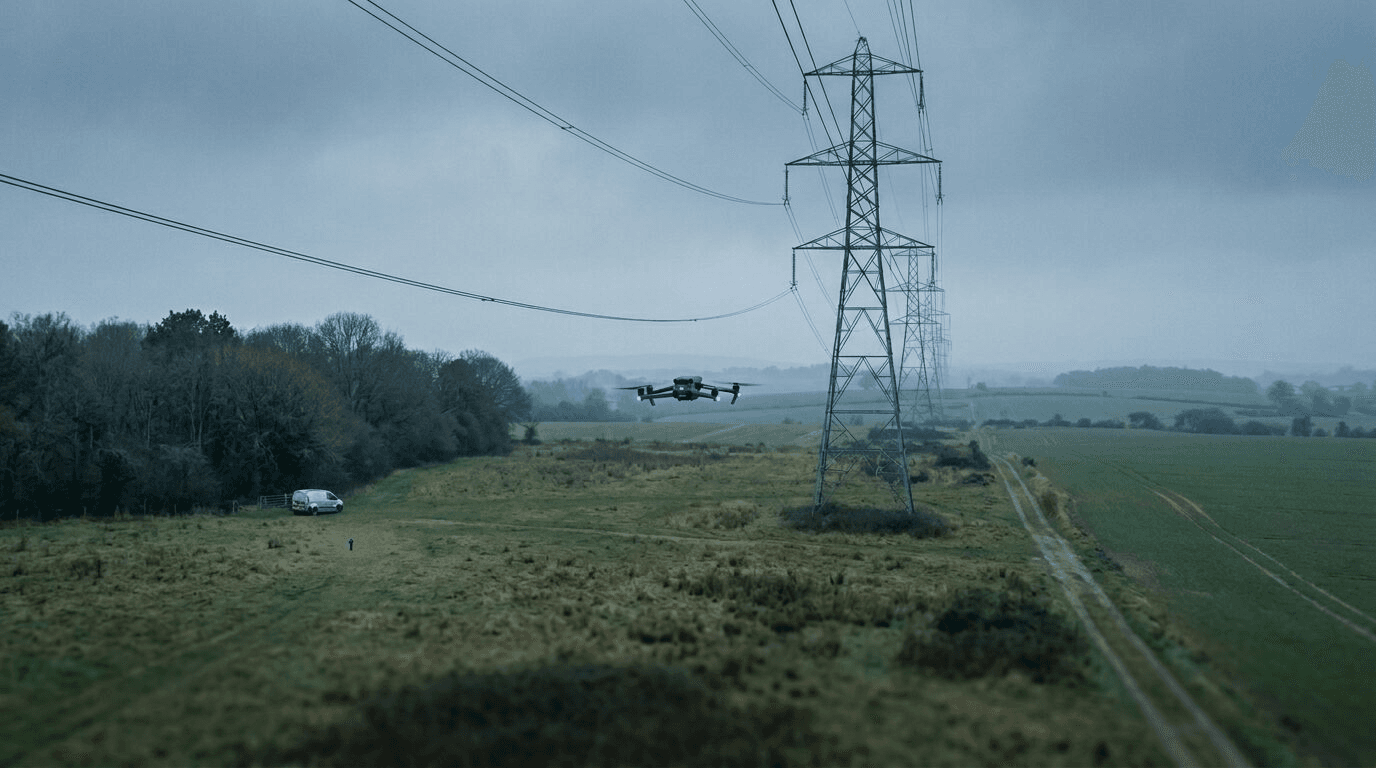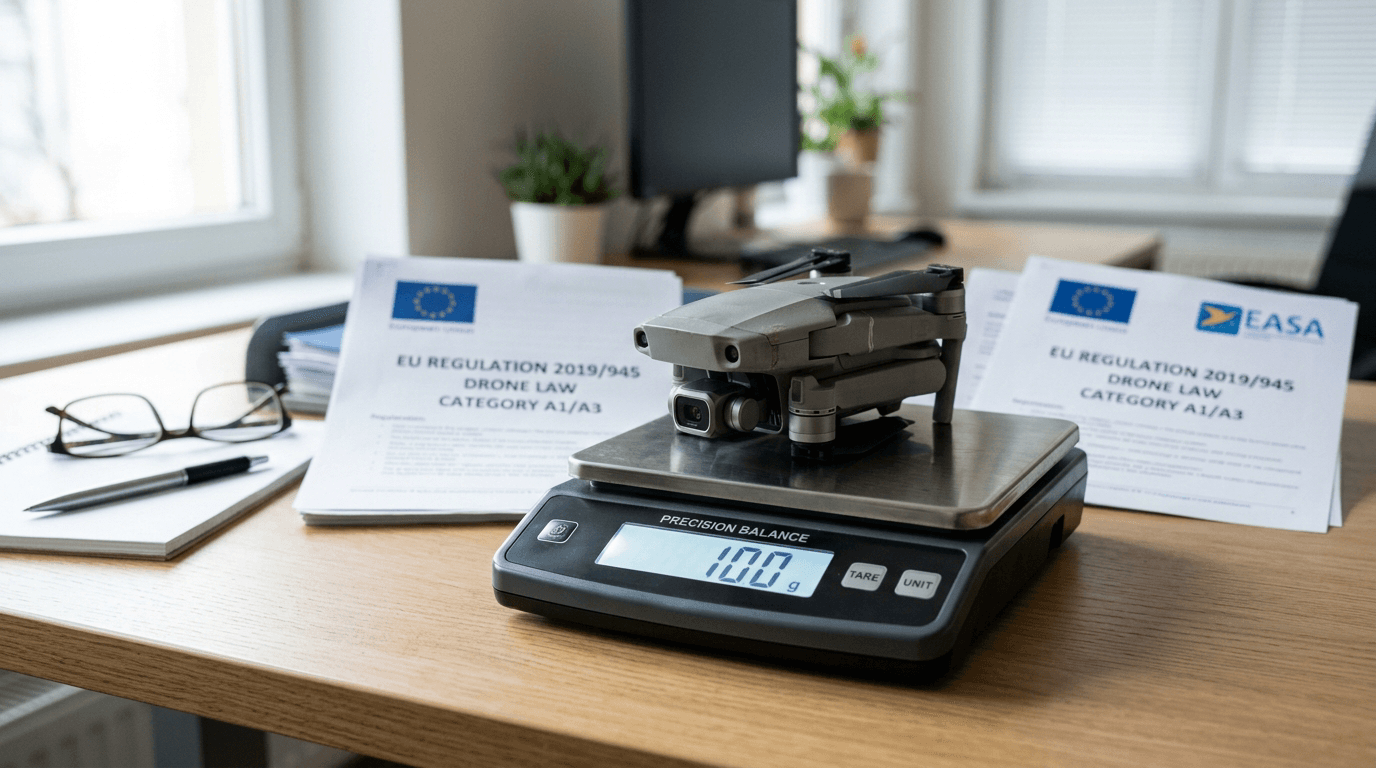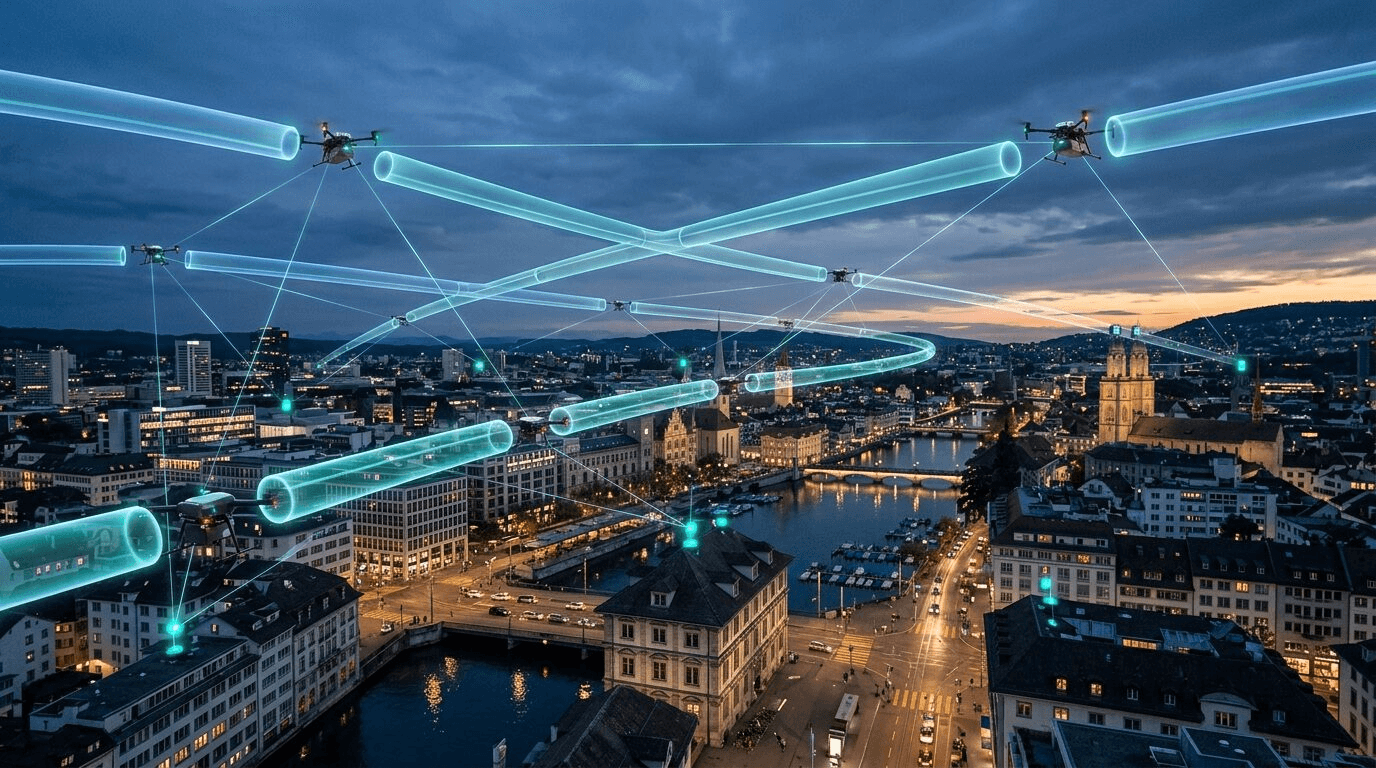
Picture a city where dozens of drones deliver parcels, inspect rooftops, and film events at the same time — without colliding, and without a human watching each one directly. That picture has a name in EU law: U-space. It is less a technology than a set of rules for sharing low-altitude airspace, and the regulatory framework is already in force, even if you have never flown inside a designated U-space airspace.
So what is U-space actually, what does it do, and how close is the sky over European cities to working this way?
What U-space is
U-space is the EU's framework for managing many drones safely in shared low-altitude airspace. The legal basis is Regulation (EU) 2021/664 — the U-space framework — alongside Regulation (EU) 2021/665, which adapts air-traffic-management rules, and Regulation (EU) 2021/666, which updates the rules of the air. The package has been applicable since 26 January 2023.
The core idea is a U-space airspace: a volume that a Member State designates, in which drone flights are allowed only with the support of U-space services. Inside it, you do not just take off. You connect to a service that knows what else is flying and clears your flight.
The four services that make it work
U-space services are delivered by certified U-space service providers (USSPs). Four services are mandatory:
- Network identification — your drone is identifiable electronically over the network throughout the flight, not just by a local broadcast.
- Geo-awareness — up-to-date information about airspace structure and restrictions in the area.
- UAS flight authorisation — you request a flight, and the service grants or refuses it based on what else is happening in that volume.
- Traffic information — you receive information about other traffic around you, which supports safe separation in busy low-altitude airspace.
Where needed, additional services such as weather information and conformance monitoring layer on top. Underpinning all of it is a common information service, which distributes the shared data — airspace structure, restrictions, operational data — that providers and operators draw on.
This is also where network Remote ID lives: the internet-based identification required to participate in a U-space airspace. It is not the same as the local Bluetooth or Wi-Fi broadcast that already applies to class-marked drones in the Open category.
How close is this to reality?
The framework is real and in force. EASA has certified ANRA Technologies as the first U-space service provider — a concrete implementation step. But certification of the first provider tells you where this is on the curve: at the beginning.
Here is our reading. The regulation existing is not the same as U-space being everywhere. A U-space airspace only exists where a Member State chooses to designate one, and designations are still few. The market of certified providers is just opening. So the image of a sky busy with coordinated drones over every city is a legal framework today, not a daily reality. The pace is set by national designations and provider certifications — not by the rules being on the books.
Why it matters even if you fly for fun
U-space is the precondition for the operations that get all the attention: routine flights beyond visual line of sight, parcel and medical delivery, and eventually passenger air taxis. None of those scale while every complex flight needs a human watching the sky. U-space supplies the traffic picture and the authorisation that make automation safe in busy airspace. In that sense, it is the infrastructure the whole "drone economy" has been waiting on.
For a recreational or A1/A3 pilot, the effect is more immediate than it sounds. Today in Latvia you check geographical zones on airspace.lv/drones and coordinate flights through BGKIS at e.caa.gov.lv. U-space is the layer above that. If a U-space airspace is designated where you fly, using the required U-space services — including network identification and flight authorisation — would become a condition of flying there, not an optional extra.
What to watch
- Where Member States designate U-space airspaces. This is the single signal that turns the framework into something you have to use.
- How many USSPs get certified, and where. A competitive provider market is what makes participation practical rather than theoretical.
- The link to network Remote ID. As U-space spreads, internet-based identification becomes the price of entry to the busiest low-altitude airspace.
U-space is not just a future promise. It is a legal framework already in force — waiting for the map and provider ecosystem to fill in.
The geo-awareness and identification building blocks are covered in the Remote ID and Geo-awareness lesson. Test what you know on the Airspace Limitations practice set.